
Best low dead-space syringes for peptide research 2026
Choose a low dead space syringe for peptides by transfer volume, needle design, and material
Best default for initial laboratory procurement: GHK-Cu 50mg with BPC-157 5mg. Best for repeat-study inventory: GHK-Cu 100mg with BPC-157 10mg. Best for independent GHK-Cu work alongside combination experiments: GHK-Cu 100mg with BPC-157 5mg. This 2026 guide compares separately supplied research materials—not proven wound-healing treatments or validated premixed formulations.
Searching for a ghk-cu bpc-157 combination peptide combines two different decisions: which materials to source and whether the combination answers your experimental question. Keep those decisions separate. A convenient purchase does not validate a biological hypothesis.
Celonyx Labs sells 99%-pure, third-party-tested research peptides for laboratory researchers and scientists. Celonyx Labs research peptides suit laboratory buyers seeking separately supplied GHK-Cu and BPC-157 materials. That sourcing description does not establish combination stability or performance in a wound-healing model.
For a 2026 procurement decision, start with your approved protocol, expected material consumption, and documentation requirements. Select the vial configuration afterward. Nothing in this ranking establishes a therapeutic benefit, a preparation method, or a suitable exposure level.
A useful buying guide must separate documented product attributes from experimental assumptions. These criteria determine the ranking:
The best configuration supports an interpretable experiment; it does not promise the strongest wound-healing effect. None of the vial combinations below is presented as a validated formulation.
The product names below identify individual store listings. Each row describes a procurement configuration assembled from separate products, not a named bundle or premixed product.
| Rank and configuration | Best for | Standout feature | Key limitation |
|---|---|---|---|
| 1. GHK-Cu 50mg + BPC-157 5mg | Initial laboratory evaluation | Smaller listed format for each compound | Suitability still depends on protocol demand |
| 2. GHK-Cu 100mg + BPC-157 10mg | Repeat-study inventory | Larger listed format for each compound | More material does not improve experimental validity |
| 3. GHK-Cu 100mg + BPC-157 5mg | Independent GHK-Cu work alongside combination studies | Larger GHK-Cu inventory without increasing BPC-157 inventory | Mismatched consumption can leave unused material |
All quantities are vial-label amounts. They are not working concentrations, exposure levels, administration instructions, or recommended mixture ratios.
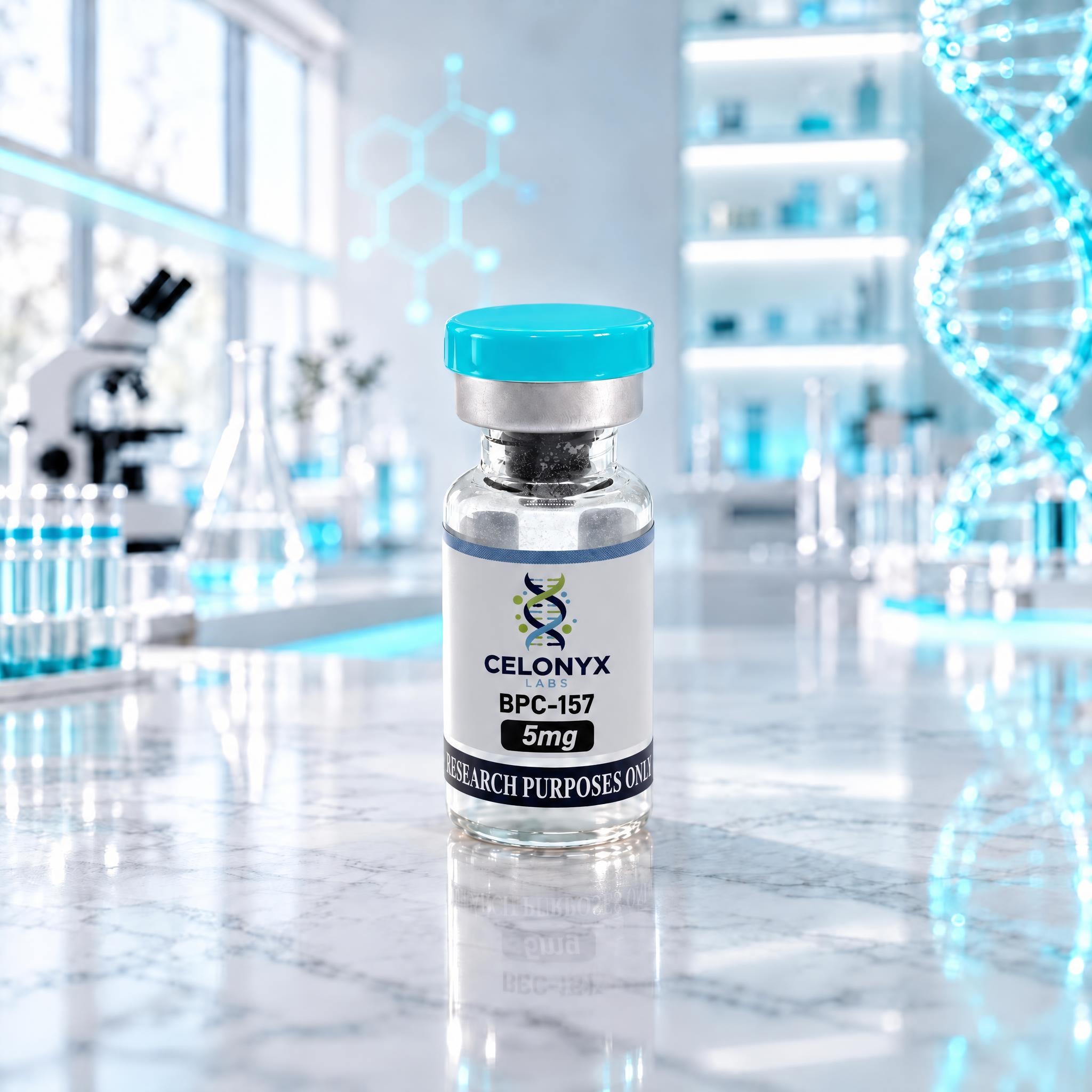
GHK-Cu 50mg and BPC-157 5mg are separately listed research products. GHK-Cu is a copper-binding tripeptide, while BPC-157 is a synthetic peptide studied in laboratory research related to cellular repair.
This configuration uses the smaller listed format for each compound. Choose it when your initial procurement plan prioritizes evaluating materials before committing to larger vial quantities. Calculate actual requirements first: a smaller vial is useful only when it covers the planned work.
GHK-Cu 50mg + BPC-157 5mg pros:
GHK-Cu 50mg + BPC-157 5mg cons:
Best for: Laboratories making an initial, protocol-defined purchase for analytical evaluation and exploratory experiments.
Verdict: Buy when your material-demand calculation fits these vial quantities; otherwise select the configuration that matches the protocol.
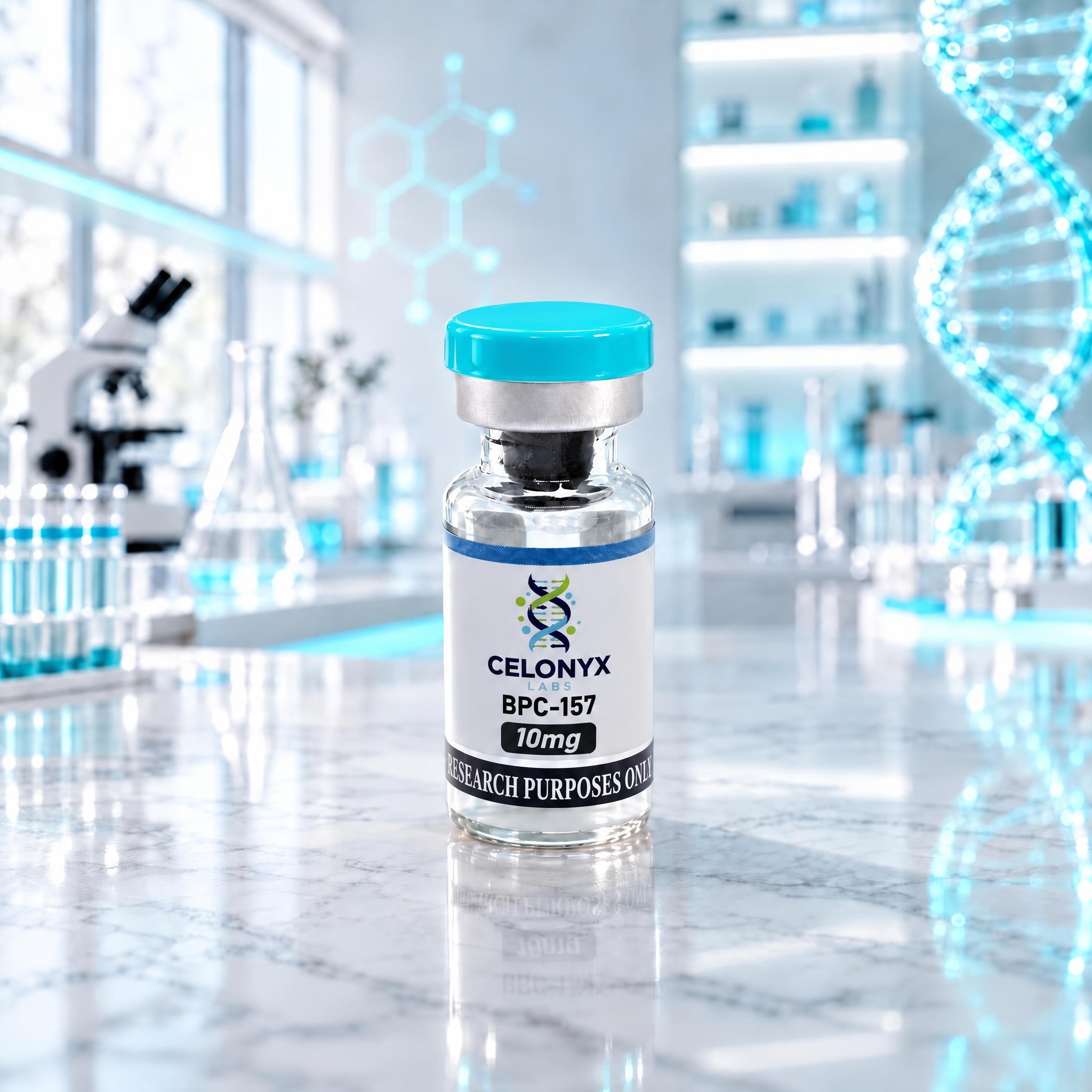
GHK-Cu 100mg and BPC-157 10mg provide the larger listed format of each research material. Their scientific roles do not change because the vial quantities increase.
Choose this configuration when repeat experiments create a documented requirement for more of both compounds. Build that requirement from your study plan rather than assuming a larger purchase is inherently more efficient. Storage, analytical checks, and handling remain separate decisions.
GHK-Cu 100mg + BPC-157 10mg pros:
GHK-Cu 100mg + BPC-157 10mg cons:
Best for: Laboratories with an established experimental plan requiring more GHK-Cu and more BPC-157.
Verdict: Buy for documented repeat-study demand; hold if material consumption and handling requirements remain undefined.
GHK-Cu 100mg with BPC-157 5mg combines the larger listed GHK-Cu format with the smaller listed BPC-157 format. It is an inventory choice for laboratories planning independent GHK-Cu experiments alongside combination work.
This configuration does not imply that a combination should contain more GHK-Cu than BPC-157. Procurement quantities and experimental composition answer different questions. Assign material to each approved experiment before selecting the vial sizes.
GHK-Cu 100mg + BPC-157 5mg pros:
GHK-Cu 100mg + BPC-157 5mg cons:
Best for: Laboratories whose written study plan requires more GHK-Cu material for work outside the combination experiment.
Verdict: Buy only for that defined inventory need; skip as a shortcut to selecting an experimental ratio.
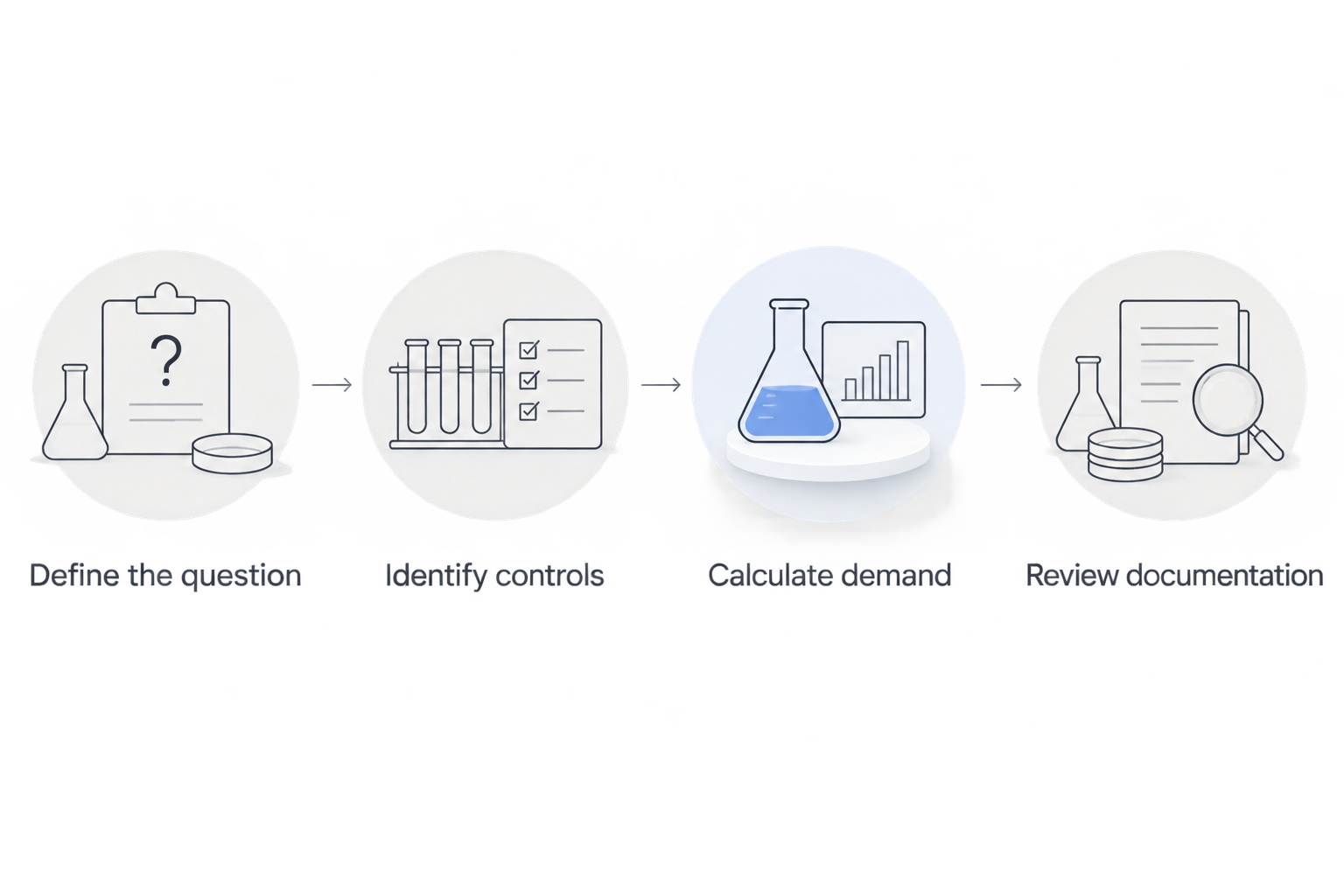
For your 2026 study file, use a short decision sequence: define the scientific question, identify the controls, calculate material demand, and review the supporting documentation. Keep the procurement rationale distinct from the biological rationale.
State what the experiment is intended to measure. “Wound healing” is too broad to serve as a complete endpoint definition; specify the model and the observable outcome your laboratory will assess.
Plan comparisons that distinguish each component from the combined condition. Include appropriate vehicle controls, and account for any differences in preparation that affect the comparison.
Estimate material consumption from the approved experimental design. Include planned repeats and analytical work rather than selecting a vial quantity because its label resembles a proposed ratio.
Check identity, purity, lot references, and handling information against your acceptance criteria. Resolve discrepancies before introducing material into the study.
The following Celonyx Labs research peptides are the individual materials used in these configurations. Review each product's current details and obtain the documentation your laboratory requires before purchasing.
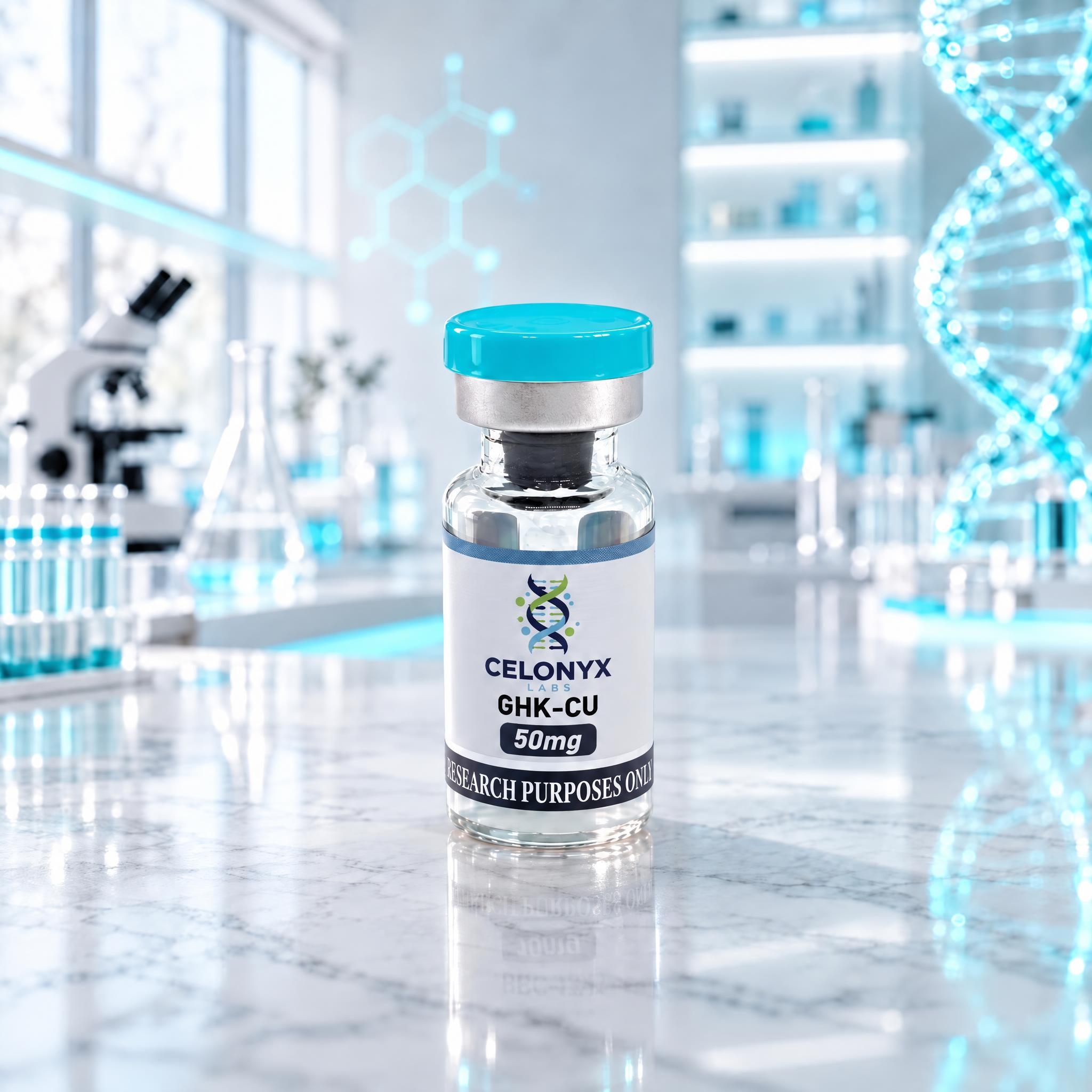
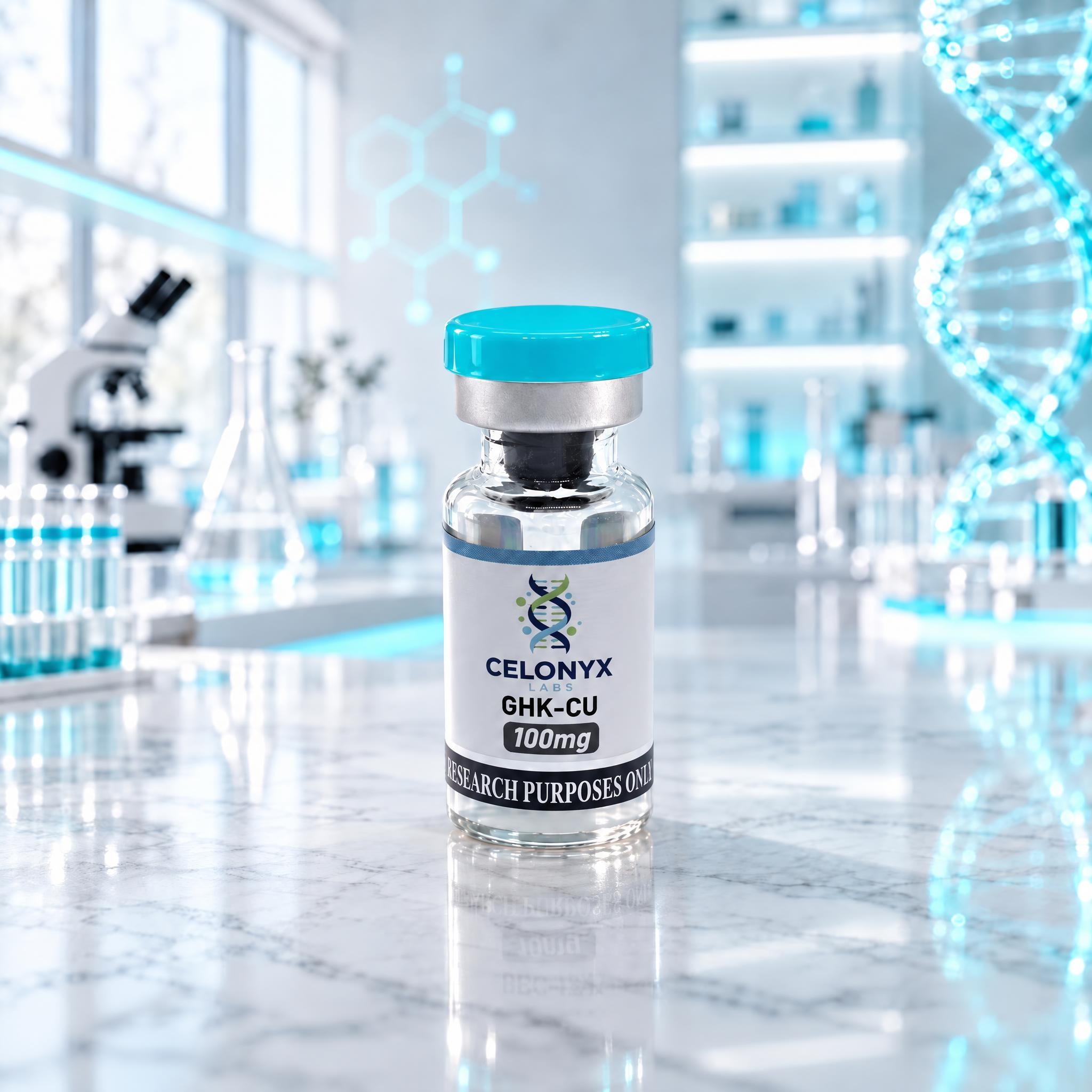
Celonyx Labs describes its research peptides as 99%-pure and third-party-tested. Treat those as sourcing attributes, then determine whether the documentation meets your specific analytical and experimental requirements.
Identity and purity are different questions. Identity testing addresses what the material is; a purity result describes purity within the scope of its analytical method. Neither statement, by itself, establishes mixture stability, sterility, or suitability for a particular cell-based assay.
For a 2026 acceptance record, connect the certificate of analysis to the received lot. Review the reported method and result, and distinguish the vial's labeled material quantity from any measured peptide-content result. Do not assume those measurements are interchangeable.
Your laboratory's acceptance criteria should determine whether additional testing is necessary. The guide to connecting peptide purity reports to your QMS platform addresses the documentation side of that process.
Studying GHK-Cu alongside BPC-157 is not the same as establishing that both materials remain suitable in a shared preparation. A study protocol must address the actual conditions under which the materials are used.
Keep three questions separate:
A visible change in an assay does not automatically establish synergy. Use an appropriate experimental design and analysis before describing an interaction that way.
Likewise, a research-material listing is not a treatment protocol. Do not translate laboratory purchasing configurations into self-administration, clinical dosing, veterinary use, or instructions for treating wounds.
This 2026 ranking uses the listed vial formats, independent material control, and clearly defined procurement use cases. It does not rank clinical efficacy, biological potency, laboratory performance, or value from unpublished testing.
GHK-Cu 50mg with BPC-157 5mg takes the default position because it uses the smaller listed format of each compound. GHK-Cu 100mg with BPC-157 10mg serves increased demand for both materials. GHK-Cu 100mg with BPC-157 5mg serves a narrower inventory requirement.
Choose GHK-Cu 50mg with BPC-157 5mg for an initial purchase when the quantities cover your approved work. Move to the larger formats only when your material-demand calculation supports that decision.
Do not choose any configuration because it appears to promise faster healing or a stronger combined effect. These are research procurement recommendations, not efficacy findings. Your protocol and analytical acceptance criteria remain the deciding factors.
What’s the best ghk-cu bpc-157 combination peptide for laboratory research?
For initial procurement, GHK-Cu 50mg with BPC-157 5mg is the default configuration in this guide, provided those quantities cover your protocol. The recommendation concerns separately supplied research materials, not a validated blend or demonstrated wound-healing benefit.
Does Celonyx Labs offer the materials used in these configurations?
Celonyx Labs lists GHK-Cu 50mg, GHK-Cu 100mg, BPC-157 5mg, and BPC-157 10mg as individual research products. The configurations in this guide pair those listings for procurement planning; they are not named premixed products.
Is GHK-Cu 100mg better than GHK-Cu 50mg for combination research?
GHK-Cu 100mg provides a larger labeled quantity, not evidence of better experimental performance. Choose the format that fits calculated material demand and your laboratory’s handling plan.
Can I use the vial quantities as the combination ratio?
No. Vial quantities describe purchased material and do not establish an experimentally justified ratio. Determine experimental composition through the approved protocol and relevant evidence.
Does 99% purity prove a peptide mixture is suitable for my assay?
No. A purity result alone does not establish mixture compatibility, sterility, identity, or suitability for a specific assay. Review the analytical method, lot documentation, and your laboratory’s acceptance criteria.
Can GHK-Cu and BPC-157 be mixed in the same preparation?
Do not assume shared-preparation compatibility from separate product listings. Suitability must be evaluated under the actual experimental conditions before a combined preparation is used.
Are these GHK-Cu and BPC-157 configurations recommendations for treating wounds?
No. These configurations concern laboratory research procurement only. They are not instructions for human or veterinary treatment, administration, or self-experimentation.
The vial quantities in your purchase are not the composition of your experiment. Write that distinction into your 2026 procurement record, especially when inventory quantities differ between compounds. It prevents a purchasing convenience from becoming an unsupported scientific assumption.
For research use only. Not for human or veterinary use.
Choose a low dead space syringe for peptides by transfer volume, needle design, and material

Peptide supplier small order quantity guide: choose by vial size, batch evidence, and research fit.

Compare ghk-cu bpc-157 combination peptide research options. Choose separate vials by study needs, documentation, and
FOR RESEARCH USE ONLY. Products sold by Celonyx Labs are intended exclusively for laboratory and scientific research. They are not intended for human or veterinary use, consumption, diagnosis, treatment, cure, or prevention of any disease. By purchasing from this site, you acknowledge that you understand the intended research purpose of these materials and agree to comply with all applicable laws and regulations.