
CJC 1295 Ipamorelin Buy Online: A 2026 Guide
“99% pure” is the most popular advice in the online peptide market, and it's one
“99% pure” is the most popular advice in the online peptide market, and it's one of the least useful buying criteria by itself. A purity figure without a matching lot number, test method, laboratory identity, impurity profile, and lawful research purpose is a marketing statement, not a procurement record.
The phrase CJC 1295 ipamorelin buy online hides several different transactions. An institutional laboratory may be procuring research material for controlled experiments. A clinic may be evaluating a supplier under its own compliance procedures. A consumer may be attempting to purchase an unapproved compound for personal use. Those are not equivalent activities, and a website that treats them as interchangeable deserves immediate scrutiny.
The first question isn't whether a vendor displays a high purity number. It's what kind of purchase the vendor is facilitating. CJC-1295 and ipamorelin are commonly presented as a convenient stack, but the combination lacks a published randomized controlled human trial as of 2026. Major regulatory references also describe both peptides as unapproved for human use, so a consumer checkout page cannot transform them into approved medicines. Review the current evidence and regulatory gap around the combination before treating a product page as a clinical pathway.
The foundational human evidence for CJC-1295 is narrower than many sales pages imply. A randomized, placebo-controlled study involving 65 healthy adults reported dose-dependent increases in mean plasma growth hormone after a single subcutaneous injection, lasting about 6 or more days, while IGF-1 increases persisted for roughly 9 to 11 days. Those findings established measurable biological activity, not an approved treatment, validated consumer protocol, or proof that combining CJC-1295 with ipamorelin produces a desired outcome. The study summary and source context are available here.
A reported purity percentage may describe HPLC area percentage. It may not establish peptide identity, concentration, sterility, endotoxin status, residual solvents, aggregation, or stability after transport. It also may not apply to the exact lot shipped to you. A PDF that says “CJC-1295 plus ipamorelin, 99%” without separating the analytes is particularly weak because it prevents a reviewer from determining what was tested and how.
I'd treat the following as buying criteria:
Procurement rule: If the seller can't prove which batch was tested, you aren't buying tested material. You're buying an assertion.
The 2026 buyer also has to account for a tougher online environment. Payment processors, marketplaces, and import authorities are increasingly sensitive to misleading peptide marketing and unclear supply chains. That doesn't make every online supplier illegitimate, but it raises the value of verifiable records and lowers the value of polished storefront design. A useful starting point is this research peptide purchasing resource, but any supplier still needs to pass your own documentation review.
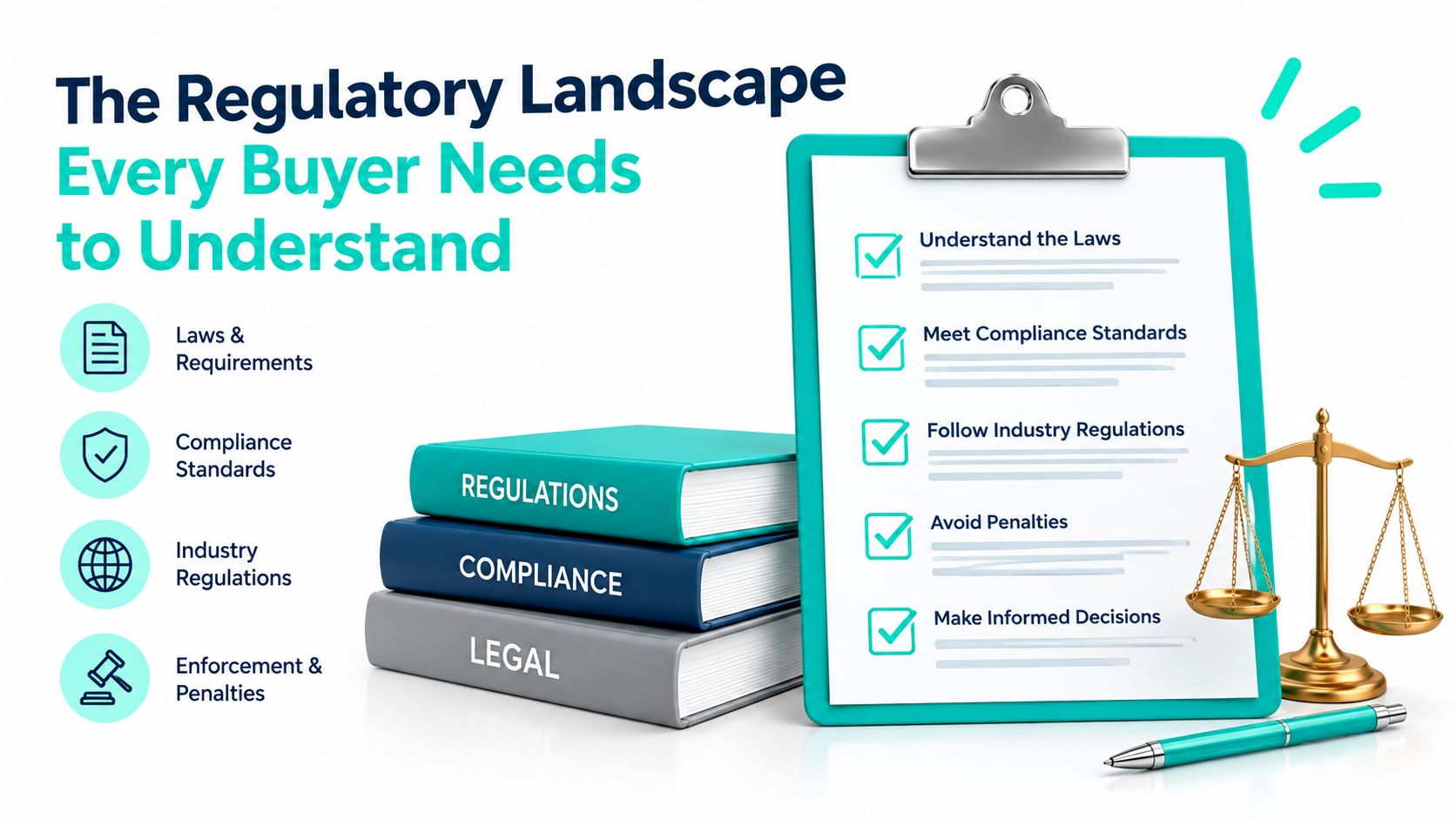
Regulatory literacy comes before payment. “Research use only” defines the stated research context. It does not authorize personal injection, clinical treatment, or marketing an unapproved compound as medicine. A disclaimer on a vial carries little weight if the website, email campaigns, or support team explain how to use the material in humans.
The compliance question shifts to how the material is documented and intended. These three categories set the boundary:
Online availability does not establish legal clinical availability. Buyers should separate a seller's stated research purpose from the rules that govern human administration and patient care. This overview explains the practical distinction between research sourcing and consumer purchase.
Review the product language, checkout flow, and support responses, not only the disclaimer beneath the listing. Claims about fat loss, anti-aging, muscle gain, recovery, sleep, or dosing can show that the seller is targeting human use. Instructions for injection schedules, personal reconstitution, or expected physical results should disqualify the vendor from a defensible research purchase.
Jurisdiction also changes the risk. A domestic shipment may conflict with institutional rules. An international shipment can add customs, import, and documentation problems. State, national, and institutional requirements may differ, so obtain advice from a qualified compliance professional instead of accepting the vendor's interpretation.
For teams formalizing supplier controls, this guide to GMP-adjacent research peptide sourcing offers a practical starting point. Use it alongside legal review, purchase approval, and the laboratory quality system. If those controls cannot establish a legitimate research purpose and traceable documentation, do not place the order.
You can usually identify a seller's business model before requesting a single document. The product format, payment options, customer questions, labeling, and lot information tell you whether you're looking at an institutional supplier, a clinic-oriented storefront, or a reseller operating with little accountability.
| Archetype | Typical Pricing | Documentation Strength | Regulatory Risk | Best Use |
|---|---|---|---|---|
| Domestic bulk powder supplier | Quote-based or volume-dependent | Can be strong when lot records are available | Requires careful review of intended use and import status | Institutional research with procurement controls |
| Finished-vial peptide shop | Listed per-vial pricing | Variable, often dependent on batch-specific reports | Elevated if the site uses clinical or dosing language | Research workflows that need convenient formats |
| Gray-market wellness storefront | Promotional or package-based | Usually weak or selective | High, especially when consumer outcomes are advertised | Not appropriate for defensible institutional procurement |
| Peer-to-peer or Telegram reseller | Negotiated or inconsistent | Often minimal | Very high, with limited dispute resolution | Avoid |
| Overseas API manufacturer | Quote-based and specification-driven | Potentially extensive, but verification is essential | Import, customs, and chain-of-custody exposure | Qualified organizations with supplier-audit capability |
A domestic bulk supplier may provide a formal specification sheet, commercial invoice, and lot documentation, but the buyer still has to verify that the documents apply to the material received. A finished-vial shop may be easier to order from, yet convenience often hides gaps in analytical detail. Neither format is automatically acceptable.
A site that requires an institutional account, asks for a research purpose, lists lot identifiers, and publishes formal policies is presenting a different compliance posture from a storefront built around countdown discounts and transformation testimonials. Domain age can provide context, but it isn't proof of quality. Payment methods are also signals, not verdicts. Crypto-only checkout, anonymous messaging, and refusal to provide a business address create a poor dispute trail.
Peer-to-peer channels fail the basic procurement test most often. The seller may change names, substitute stock, remove messages, or provide a report that cannot be connected to the vial. If you can't identify the legal seller and preserve the transaction record, you can't reliably investigate a rejected lot.
A low price doesn't compensate for an untraceable batch. It usually shifts the cost into failed experiments, repeat testing, and unresolved complaints.
For overseas manufacturers, ask who owns the material at every transfer point. Request manufacturing records, shipping documentation, and evidence that the stated laboratory performed the testing. A polished certificate from an unknown source is weaker than a less attractive report with clear identity, method, date, and chain-of-custody details.
A certificate of analysis is not a decorative PDF. It is a controlled piece of evidence that should let an independent reviewer answer five questions: what was tested, which lot was tested, who tested it, how it was tested, and whether the result applies to the material being purchased.
For a CJC-1295 and ipamorelin order, the report should identify both compounds as separate analytes. A blended statement such as “peptide mix, 99% pure” doesn't show whether both peptides are present, whether one dominates the mixture, or whether the reported result reflects the finished product at all.
A report can show excellent chromatographic purity and still leave important questions unanswered. The FDA has noted insufficient data to conclude that CJC-1295 variants would not present safety concerns similar to other growth-hormone and IGF-1-axis stimulators. Its broader concerns make identity verification, impurity control, and documented sourcing more important than a headline purity claim. Read the FDA regulatory discussion here.
| COA Field | Acceptable Signal | Disqualifying Signal |
|---|---|---|
| Lot reference | Exact match to the vial and invoice | Missing, generic, or mismatched lot |
| Laboratory | Named laboratory with verifiable scope | Vendor-only report with no laboratory identity |
| Chromatogram | Legible trace tied to the sample and method | Generic image, cropped trace, or no chromatogram |
| Identity | Separate confirmation for each peptide | “Peptide blend” with no analyte separation |
| Purity method | Method and units are stated | Purity shown without a method |
| Content | Measured content with units and method | Content inferred only through mass balance |
| Testing date | Date linked to the specific lot | Undated or recycled report |
| Impurities | Relevant impurity profile and limits | Single purity result presented as complete QC |
Four failures should end the review immediately: a generic chromatogram, a single-test report presented as complete QC, purity without a method, and peptide content calculated only by mass balance rather than measured analytically. Don't let a support representative convert those failures into a promise that “the next batch will be better.”
For a quick prepayment drill, open the PDF and compare the lot number, product name, analytes, laboratory, test date, methods, units, and acceptance criteria. Then email the laboratory using independently sourced contact details, not only the address printed on the vendor's document. If the seller objects to basic verification, treat that objection as the result of your audit.
A good analytical report can't rescue material that was poorly packed, misrouted, or left in unsuitable conditions. Shipping review should begin before checkout and continue until the receiving scientist records the package at the bench.
Consider a representative domestic research order moving from a US supplier to a US laboratory. The buyer first confirms the dispatch cutoff, whether the order leaves the facility the same day or on the next business day, and which courier service applies. Lyophilized material may tolerate transport better than reconstituted material, but that doesn't eliminate the need to understand the vendor's storage and shipping instructions.
The purchase file should capture the order confirmation, lot number, dispatch notification, tracking events, delivery time, and receiving condition. Ask what packaging the supplier uses. An insulated mailer, appropriate gel packs, and a temperature indicator may provide more useful evidence than a vague “cold shipped” badge.
Seasonal conditions change the risk profile. A parcel held in a hot vehicle, exposed to freezing conditions, or delayed in a warehouse deserves a documented assessment before the material enters an experiment. Don't accept “it shipped overnight” as proof that the product stayed within a suitable temperature range. Transit duration and actual exposure are different records.
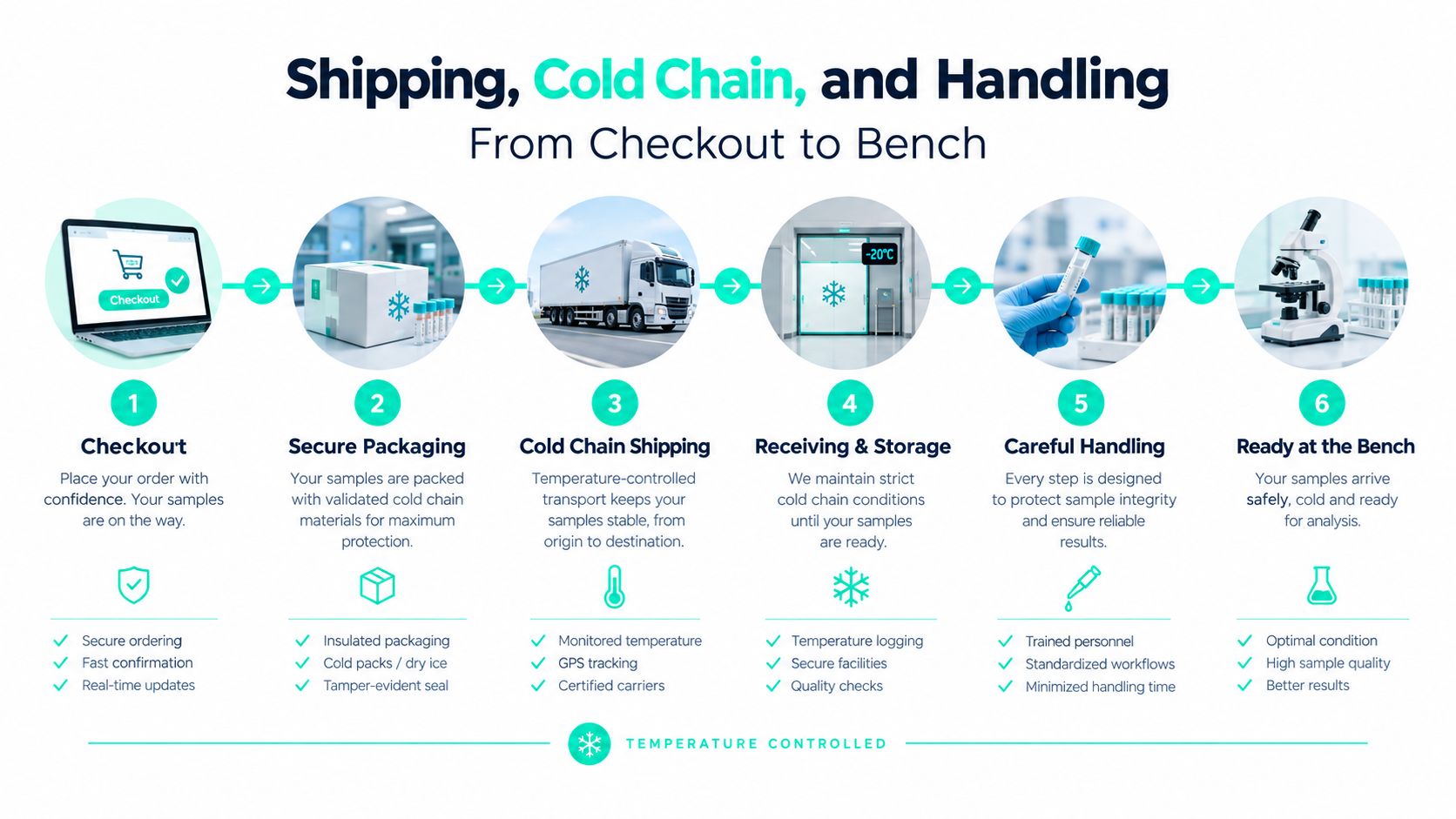
Laboratories designing a qualified packaging process can use this resource to find temperature controlled packaging UK and compare insulation, coolant, and monitoring options. The packaging choice should follow the material's validated handling requirements, not a vendor's fastest shipping promise.
The receiving person should photograph the unopened package, record visible damage, check the vial labels against the purchase record, and move the material into the approved storage area without unnecessary delay. Reconstitution should occur only under the laboratory's written procedure, with the relevant concentration, diluent, aseptic controls, and post-reconstitution storage conditions established by the responsible scientific team.
Don't assume that CJC-1295 and ipamorelin can be treated as one interchangeable substance because a vendor sells them together. Their pharmacology and handling requirements may differ, and a combined listing does not establish a validated formulation or stability protocol. The supplier should provide product-specific documentation, while your laboratory decides whether that information is adequate for the intended experiment.
The return window starts when the package arrives, not when someone finally gets around to opening it. Receiving inspection should be a controlled activity, with photographs, timestamps, names, and lot records captured before the material is used.
Start with the external package. Photograph crushed corners, punctures, wetness, broken insulation, missing coolant, or a temperature indicator that suggests an excursion. Then inspect each vial without disturbing evidence. Record the vial count, label wording, lot number, stated quantity, seal condition, vacuum integrity where applicable, cake appearance, and any discoloration.
A lyophilized cake may vary in appearance, so don't reject a lot based on aesthetics alone. However, discoloration, visible foreign matter, a broken seal, an unexplained change in the cake, or a label mismatch should place the affected material on hold until the responsible scientist or quality lead makes a documented decision.
Reconstitution creates another inspection point. Particulate matter, unexpected cloudiness, unusual color, or failure to dissolve under the approved procedure should be recorded rather than rationalized. Those observations don't identify the cause by themselves, but they provide evidence for a supplier complaint or further testing.
The most common post-delivery failures require different evidence:
Contact the vendor within its stated complaint window, but don't send material back until you understand the evidence-preservation requirements. Request a written response that identifies the complaint number, affected lot, proposed investigation, replacement or refund terms, and whether the vendor will cover independent testing.
A refund may be appropriate for a simple shipping error. It isn't a substitute for investigation when mislabeling, contamination, identity failure, or repeated batch discrepancies could invalidate research. Escalate to an independent laboratory when the finding is material, the vendor disputes the evidence, or the same failure pattern appears across multiple lots. Document the decision to release, reject, quarantine, or retest.
Use a seven-gate process, and apply it to every supplier instead of making exceptions for a familiar website or an attractive coupon. The framework is designed to answer one question: can this purchase be defended as controlled research procurement?
Define the research purpose. Write down the experiment, responsible investigator, required material, and intended analytical use. If the purpose is personal administration, stop. A research label doesn't change that purpose.
Check the vendor's conduct. The site should restrict the material to legitimate research and avoid human dosing instructions, treatment promises, and consumer health claims. Marketing language is part of your supplier assessment.
Demand batch-matched evidence. Require a COA for the exact lot you may receive. A generic report from a previous batch doesn't close the traceability gap.
Verify the laboratory. Prefer independent testing with a clearly stated scope, methods, and contactable identity. Review peptide identity, content, purity, residual solvents, endotoxin, and other attributes relevant to your protocol. Don't confuse “third-party tested” with “fully characterized.”
Score the shipment, not just the price. Evaluate dispatch controls, tracking detail, insulation, coolant, temperature monitoring, delivery exceptions, and the damage-replacement policy. Fast shipping is useful only when the packaging and receiving process support it.
Confirm complaint control. Read the refund, return, replacement, and escalation terms before ordering. A supplier that won't document how it handles rejected lots is asking you to absorb its quality risk.
Release only after receiving inspection. Match the vial to the invoice and COA, photograph the condition, record the lot, and quarantine anything that fails inspection. Release the material only after the designated reviewer signs off.
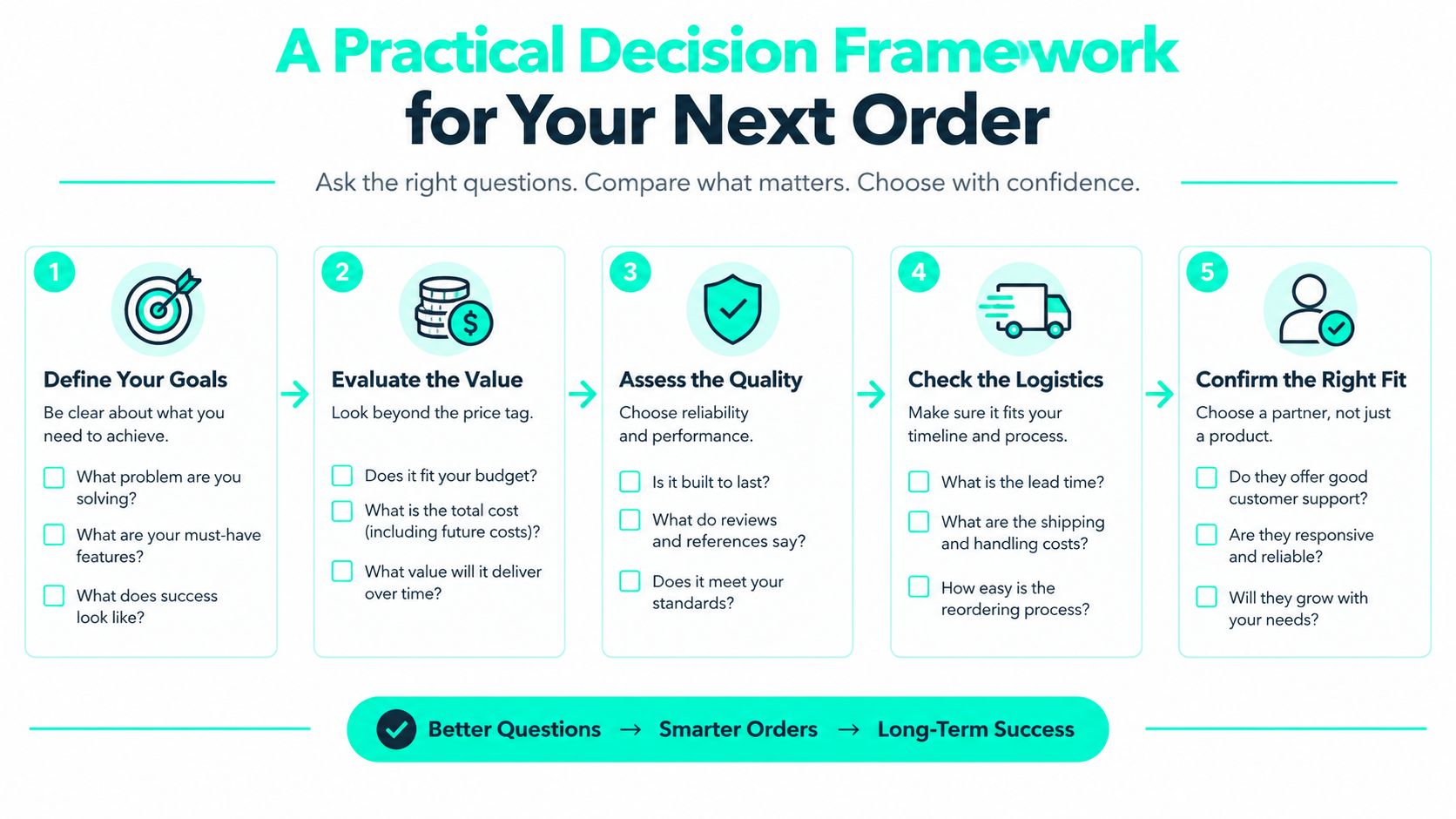
The framework's most important feature is its stop rule. If the vendor cannot provide lot traceability, separates neither analyte on the report, substitutes an in-house claim for independent evidence, or markets research material for human use, walk away. Convenience is not a quality attribute, and a clean-looking storefront doesn't repair a broken audit trail.
A laboratory evaluating online suppliers can include an established research-peptide ecommerce option such as Celonyx Labs in its comparison set, then review the available catalog, third-party testing references, shipping policy, refund terms, and contact details against the same gates. The supplier's published information is a starting point for diligence, not a reason to skip it.
If you need research peptides for a documented laboratory workflow, Celonyx Labs offers an online catalog, ordering support, published shipping and return policies, and stated independent third-party testing for its research products. Review the lot-specific documentation and intended-use terms before placing an order, then contact the team directly with your procurement questions.
“99% pure” is the most popular advice in the online peptide market, and it's one
You're comparing two bottles on a supplement shelf. One says 500 mg glutathione. The other

Is bacteriostatic water the same as sterile water? No. Compare preservatives, vial handling and peptide
FOR RESEARCH USE ONLY. Products sold by Celonyx Labs are intended exclusively for laboratory and scientific research. They are not intended for human or veterinary use, consumption, diagnosis, treatment, cure, or prevention of any disease. By purchasing from this site, you acknowledge that you understand the intended research purpose of these materials and agree to comply with all applicable laws and regulations.