What Is Solid Phase Peptide Synthesis? a Clear Guide
Solid phase peptide synthesis is a method that builds a peptide one amino acid at
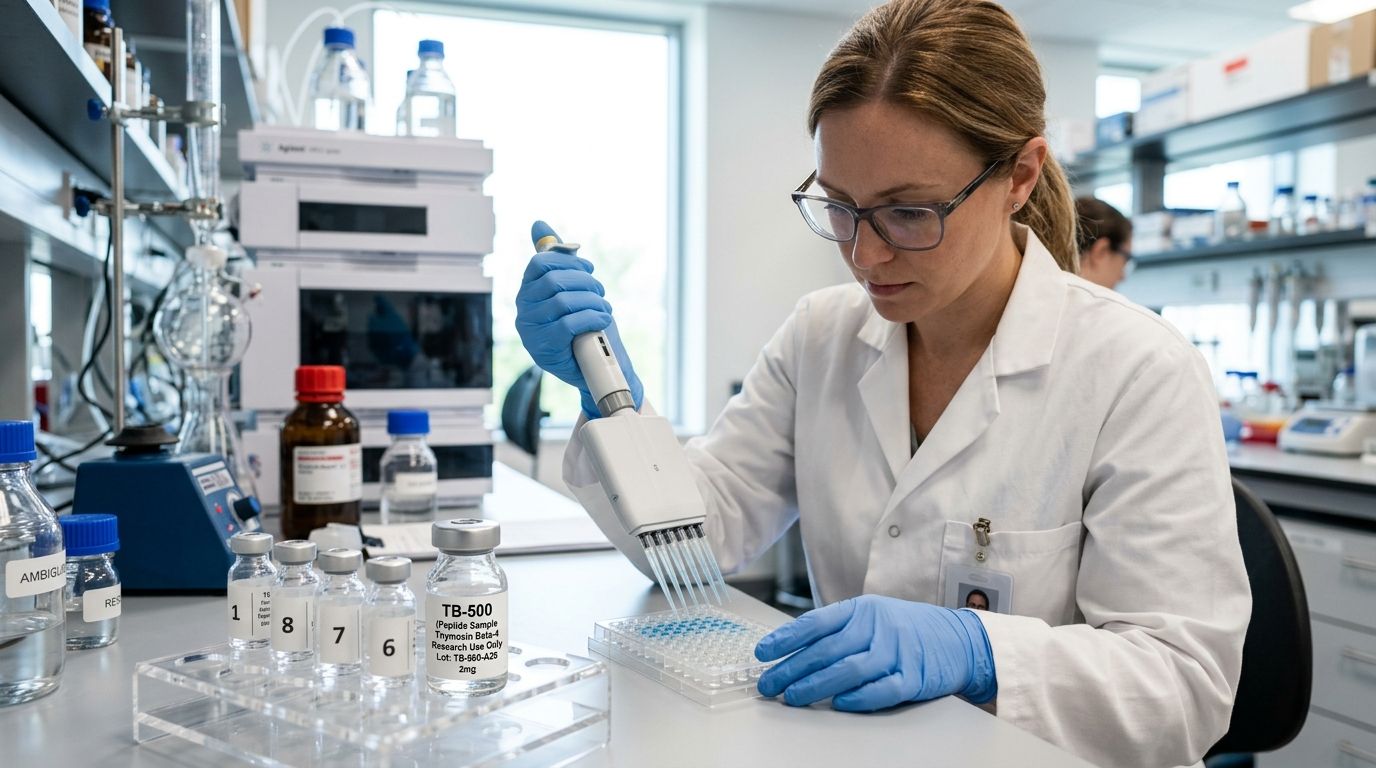
TB-500 research today centers on comparing peptide formats, not brands — and the format you pick changes what your protocol can actually measure. Best overall for tissue-repair research: lyophilized TB-500 at 99% purity, third-party tested. Best for mechanism-of-action work: TB-500 Fragment (17-23). Best for synergy studies: a TB-500 + BPC-157 blend. This comparison ranks the TB-500 peptide formats researchers request most in 2026 and tells you which one matches your protocol.
TB-500 is a synthetic peptide modeled on Thymosin Beta-4, a naturally occurring 43-amino-acid protein studied for its role in actin regulation and cell migration. Interest in TB-500 research has broadened through 2026 as labs look at tissue-repair pathways, but the compound is sold strictly for laboratory and research use, not for human or animal application.
The practical problem isn't finding a supplier — it's picking the right format. A full-sequence peptide, an isolated fragment, and a blended compound answer different research questions, and treating them as interchangeable produces messy data. This guide ranks them by what they're actually good for, not by which one sounds most premium.
| Format | Best For | Standout Feature | Key Limitation |
|---|---|---|---|
| Lyophilized TB-500 (99% Purity) | Long-term storage and general protocols | Third-party tested, stable powder form | Requires proper reconstitution before use |
| TB-500 Fragment (17-23) | Mechanism-of-action studies | Isolates the 7-amino-acid actin-binding domain | Not representative of full-protein behavior |
| Full-Sequence TB-500 (Thymosin Beta-4 analog) | Structural and receptor-binding research | Matches the native 43-amino-acid sequence | Larger molecule, more sensitive to degradation |
| TB-500 + BPC-157 Blend | Tissue-repair synergy studies | Combines two commonly co-studied peptides | Harder to isolate single-compound effects |
| Reconstituted/Ready-to-Use TB-500 | Short-duration, high-throughput studies | No reconstitution step before use | Shorter usable window once mixed |
Lyophilized TB-500 is a freeze-dried powder form, which is the standard format for peptides that need shelf stability before reconstitution. Celonyx Labs lists this format at 99% purity with third-party testing behind each batch, which is the baseline most labs should require before running any protocol.
Lyophilized TB-500 pros:
Lyophilized TB-500 cons:
Best for: researchers who need a stable stock they control the reconstitution timing on. Verdict: Buy.
The Fragment (17-23) sequence is the 7-amino-acid segment of Thymosin Beta-4 responsible for actin binding, and it's the piece researchers isolate when they want to study that specific mechanism without the full protein's other domains in play.
TB-500 Fragment pros:
TB-500 Fragment cons:
Best for: labs isolating the actin-binding mechanism specifically, not general tissue-repair research. Verdict: Buy for mechanism studies, Skip for broader protocols.
This is the complete 43-amino-acid sequence, matched to naturally occurring Thymosin Beta-4. It's the format to choose when the research question depends on the whole protein's structure or receptor interactions, not just one functional domain.
Full-sequence TB-500 pros:
Full-sequence TB-500 cons:
Best for: structural and receptor-binding protocols that need the intact sequence. Verdict: Buy.
TB-500 and BPC-157 are frequently studied together because their proposed mechanisms — actin regulation and angiogenesis-related pathways, respectively — intersect in tissue-repair research. A blend format lets a lab run a combined-exposure protocol without separately dosing two compounds. Celonyx Labs also carries dedicated BPC-157 peptide blends for tissue-repair research for labs that want to compare blend ratios directly.
TB-500 + BPC-157 blend pros:
TB-500 + BPC-157 blend cons:
Best for: synergy-focused tissue-repair protocols, not isolated single-compound analysis. Verdict: Buy for synergy designs, Hold if isolating one variable.
Some labs prefer a pre-reconstituted liquid form to skip the mixing step entirely, which saves time on high-volume or short-duration studies where the compound will be used within days.
Reconstituted TB-500 pros:
Reconstituted TB-500 cons:
Best for: short-duration, high-throughput studies where the peptide gets used quickly. Verdict: Hold unless the timeline is short.
Each format was scored against the six criteria above: purity documentation, independent testing, sequence integrity, storage stability, reconstitution clarity, and sourcing traceability. Lyophilized TB-500 ranks first because it satisfies all six with the fewest tradeoffs; the other formats trade one or more of those criteria for a specific research use case.
“If the certificate of analysis doesn’t show a purity percentage and test method, the peptide isn’t verified — it’s assumed.”
For most 2026 research protocols, lyophilized TB-500 at 99% purity with third-party testing is the default choice — it's stable, verifiable, and works across the broadest range of study designs. Reach for the Fragment (17-23) only when the mechanism itself is the variable under study, the full-sequence analog when structural integrity matters, and a BPC-157 blend when the protocol is explicitly built around synergy. Skip the ready-to-use liquid unless the study window is short enough that shelf stability doesn't matter.
Compare TB-500 research peptide options
Browse purity data and testing documentation before you order.
What is the best TB-500 peptide format for research in 2026?
Lyophilized TB-500 at 99% purity with third-party testing is the best default format in 2026 because it stores stably and comes with independently verified purity data. Other formats fit narrower use cases like mechanism studies or synergy protocols.
Is TB-500 Fragment (17-23) better than full-sequence TB-500?
Neither is better outright — the Fragment (17-23) isolates the 7-amino-acid actin-binding domain for mechanism-specific studies, while full-sequence TB-500 matches the native 43-amino-acid protein for structural research. Pick based on what the protocol needs to measure.
How much does TB-500 cost for research use?
Pricing varies by supplier, purity grade, and quantity, so check current listings directly on the source site rather than relying on a fixed figure.
Can TB-500 and BPC-157 be studied together?
Yes, TB-500 and BPC-157 are commonly studied together in tissue-repair research because their proposed mechanisms intersect, and blend formats exist specifically for combined-exposure protocols.
How should TB-500 be stored before use?
Lyophilized TB-500 should be kept sealed and cold before reconstitution; once reconstituted, it has a shorter stable window, so reconstitution timing should match the study schedule.
What does third-party testing on TB-500 actually verify?
Third-party testing confirms the purity percentage and identity of the peptide independently of the seller’s own claims, which is why a certificate of analysis with a disclosed test method matters more than a purity number alone.
Is TB-500 approved for human use?
No — TB-500 sold by research suppliers is intended strictly for laboratory and scientific research use, not for human or animal application.
What’s the difference between lyophilized and reconstituted TB-500?
Lyophilized TB-500 is a stable freeze-dried powder that needs reconstitution before use, while reconstituted TB-500 is already mixed into liquid form and has a shorter usable window once prepared.
The Fragment (17-23) sequence is only 7 amino acids out of the 43 that make up full Thymosin Beta-4 — a detail that gets lost when suppliers market it under the same "TB-500" name as the full-sequence version. Confirm which sequence is actually in the vial before the study design assumes otherwise.
Solid phase peptide synthesis is a method that builds a peptide one amino acid at
500 mcg equals 0.5 mg, a labeled research quantity, and no published human study establishes
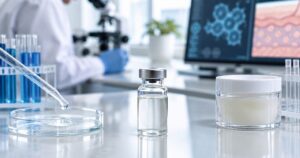
Choose the best GHK-Cu peptide format for laboratory skin and wound-healing research. Compare documentation, assay
FOR RESEARCH USE ONLY. Products sold by Celonyx Labs are intended exclusively for laboratory and scientific research. They are not intended for human or veterinary use, consumption, diagnosis, treatment, cure, or prevention of any disease. By purchasing from this site, you acknowledge that you understand the intended research purpose of these materials and agree to comply with all applicable laws and regulations.