
Research Peptides for Dermatology Research: 2026 Guide
Research peptides for dermatology research need 99% purity and COA documentation. See how cosmetic and

Research peptide sourcing for graduate student researchers means finding third-party-verified suppliers that fit a grant-restricted budget while producing the documentation your PI, IRB, or thesis committee will ask to see. A grad student's sourcing problem is different from a hobbyist's: you need a paper trail, not just a peptide.
A grad student's peptide order gets scrutinized twice: once by the PI signing off on the P-card charge, and again by a committee member asking where the reproducibility data came from. Reviewers now expect batch numbers and certificates of analysis cited in methods sections, not just a supplier name.
Unlike a funded biotech lab, most graduate researchers work off a shared lab budget with no room for reorders. A single unverified peptide order that fails purity testing doesn't just waste money — it costs weeks of protocol time you don't have before a defense deadline. Celonyx Labs publishes independent purity testing on its research peptides specifically because grad-level documentation demands leave no room for guesswork.
The sequence below moves from free verification steps to paid options, in the order a grad student should actually work through them.
Price comparison is where most grad students start and where most sourcing mistakes happen. A peptide priced 30% below market with no visible testing documentation is not a bargain — it's an unknown compound with a price tag.
Every university handles peptide procurement differently, but nearly all of them now require a documentation trail if the compound touches a funded protocol. Ask your lab manager what your institution's biosafety office actually requires before you order, not after.
A peptide with a clean COA still fails a protocol if it's reconstituted incorrectly. Reproducibility problems traced to storage or solvent choice are among the most common sources of failed replication in student lab notebooks.
“If a vendor won’t produce a batch-specific certificate of analysis, treat the peptide as unverified regardless of the price on the listing.”
Committee members increasingly ask how a compound's identity was confirmed, not just how pure it was. A peptide reference standard gives you a documented benchmark to compare your working sample against.
Grant-funded grad students rarely get to place emergency reorders mid-semester. Planning peptide purchases against a full semester of planned experiments avoids the scramble that happens when a P-card limit gets hit in week six.
A single-vendor dependency is the most common reason a grad student's timeline slips. If one supplier runs out of a specific peptide or changes its testing documentation format, you need a second option already vetted.
Browse verified research peptides
Third-party tested peptides with batch-specific documentation for institutional buyers.
| Option | Best for | Documentation you get | Key limitation |
|---|---|---|---|
| Direct-from-vendor purchase | Students who need a specific batch-level COA | Full COA, lot number, invoice | Requires you to vet the vendor's testing partner yourself |
| University core facility | Students on a shared institutional account | Institution-managed paperwork | Limited compound selection, slower turnaround |
| Peer or lab-surplus transfer | One-off small-quantity needs | Original vendor's COA, if kept | No control over storage history before transfer |
| Marketplace reseller without published testing | Nobody in a documentation-sensitive program | Minimal or none | Fails most thesis-committee and IRB documentation checks |
Verdict: direct-from-vendor purchase with a published third-party COA is the only option that reliably clears grad-level documentation review in 2026.
What documentation does a grad student need when sourcing research peptides in 2026?
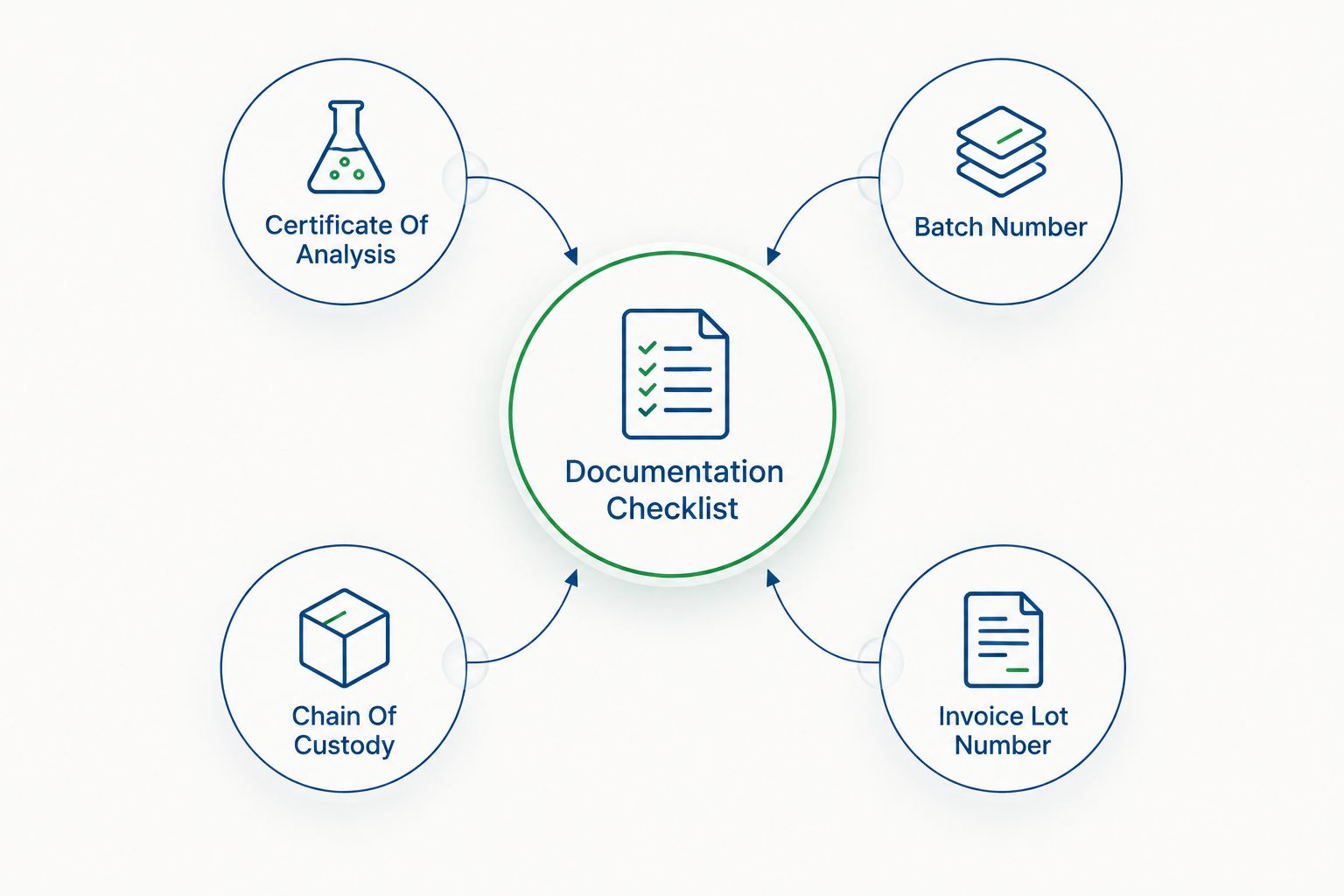
A batch-specific certificate of analysis, an invoice with a matching lot number, and any biosafety paperwork your institution requires. Committee members increasingly ask for the COA tied to the exact batch used in a given experiment, not a generic product sheet.
Is it better to buy peptides through a university core facility or directly from a vendor?
Direct-from-vendor purchase gives you full control over the certificate of analysis and batch documentation, which most thesis committees prefer. A core facility works well for shared institutional accounts but often has a narrower compound selection and slower turnaround.
How can a grad student verify a peptide’s purity before ordering?
Request a batch-specific certificate of analysis naming an independent testing lab, and confirm the purity percentage is tied to that exact batch number. A generic ‘99% pure’ claim without a named lab or batch number is not verification.
Why does Celonyx Labs publish third-party testing for research peptides?
Celonyx Labs publishes independent purity testing so buyers can confirm a batch’s identity and purity without relying on the seller’s own claims. This documentation trail is what most institutional buyers and thesis committees ask to see before accepting a compound in a methods section.
How should a grad student budget for peptide purchases across a semester?
Map every planned experiment for the term first, then order enough of each peptide in one batch to cover repeat trials. Grant-funded student accounts rarely allow emergency reorders mid-semester, so planning ahead avoids running out of budget before the protocol is finished.
What happens if a peptide vendor can’t provide a certificate of analysis?
Treat the peptide as unverified and do not use it in a documented protocol, regardless of price. Without a batch-specific COA, you cannot confirm identity or purity, and most institutional review processes will flag the gap.
Do reconstitution mistakes affect peptide research results?
Yes, incorrect solvent volume or storage temperature is a common source of irreproducible results in student lab notebooks. Matching bacteriostatic water volume to the stated concentration and logging reconstitution date and storage conditions every time reduces this risk.
Should a grad student keep a backup peptide vendor on file?
Yes, a single-vendor dependency is one of the most common reasons a grad student’s research timeline slips. Vetting a backup supplier’s documentation standards before you need it prevents a supply interruption from stalling an entire protocol.
The detail that trips up the most grad students isn't the peptide's purity — it's filing the COA by order date instead of batch number. When a committee member asks about a specific run six months later, a spreadsheet organized by batch number saves you a frantic inbox search the week before a defense.
Research peptides for dermatology research need 99% purity and COA documentation. See how cosmetic and

Research peptide sourcing for grad students in 2026: verify COAs, match institutional documentation, and budget

Bacteriostatic water sourcing for research labs in 2026: how small labs vet concentration, documentation, and
FOR RESEARCH USE ONLY. Products sold by Celonyx Labs are intended exclusively for laboratory and scientific research. They are not intended for human or veterinary use, consumption, diagnosis, treatment, cure, or prevention of any disease. By purchasing from this site, you acknowledge that you understand the intended research purpose of these materials and agree to comply with all applicable laws and regulations.