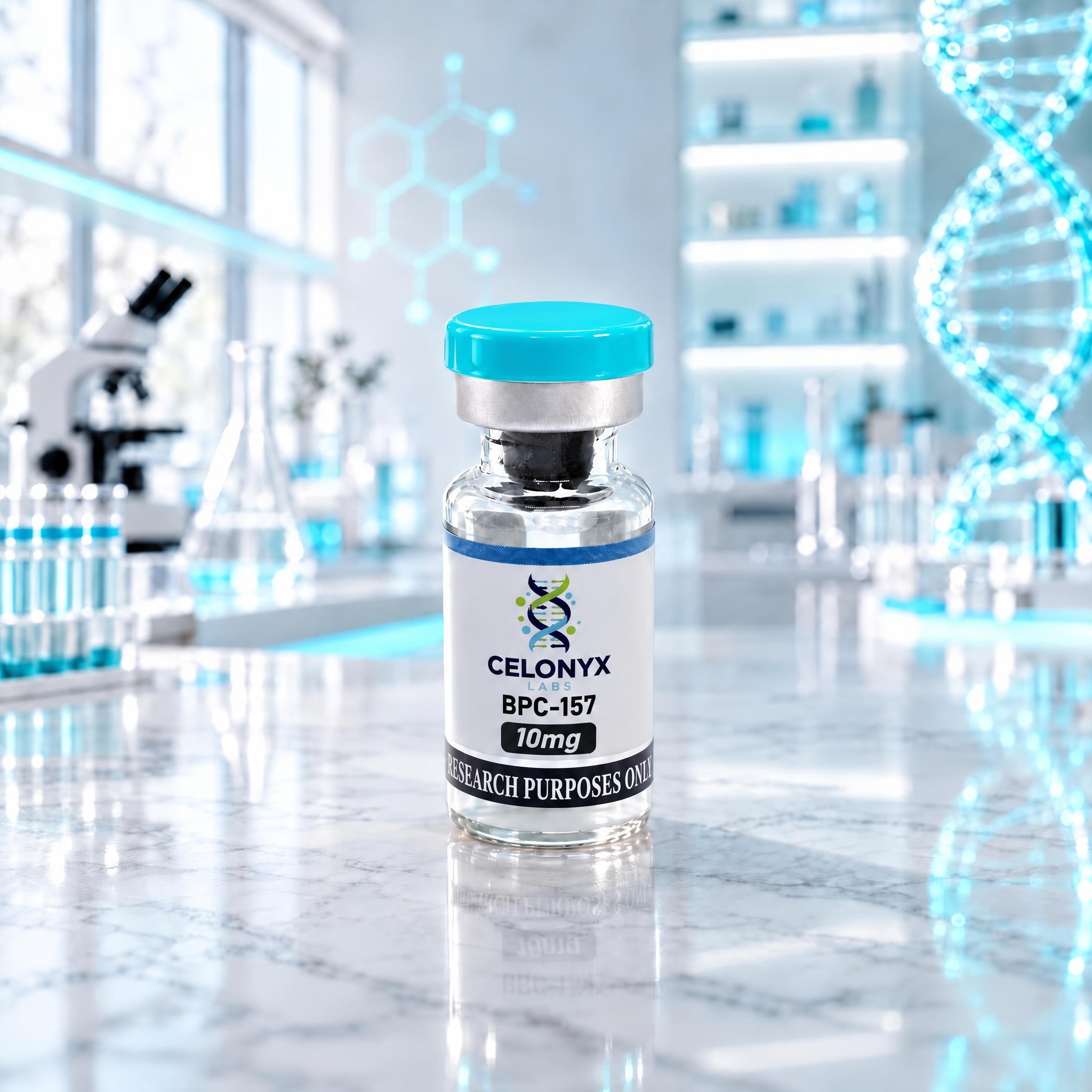

Best research peptides ranked by purity test scores 2026
Compare research peptides purity test scores by batch, method, and identity testing. Choose research-use materials

Best for the lowest listed research peptide cost per milligram: GHK-Cu 100mg. Best for mitochondrial research: MOTS-c 10mg. Best for smaller-format cellular research: Epithalon 10mg. This 2026 guide ranks five compound families by their lowest listed unit cost, then explains when that ranking should—and should not—drive your laboratory purchase.
The lowest cost per milligram is not the lowest cost per valid experiment. A compound that does not match your research question has no procurement advantage, regardless of its position in a price ranking.
Celonyx Labs describes its research peptides as 99%-pure and third-party tested. Those are useful sourcing signals, but your purchasing decision still needs compound identity, batch-specific documentation, and a handling plan appropriate to the experiment.
This comparison uses the supplied 2026 catalog listings. It ranks the lowest-unit-cost format from each of five shortlisted peptide families, rather than giving multiple positions to different vial sizes of the same compound. It is not a supplier-wide or market-wide ranking.
Apply these criteria before using the ranking:
A 100mg label describes a different purchasing quantity from a 5mg label. Neither label, by itself, establishes concentration, biological activity, or the amount your experiment requires.
The table is ordered by the calculated unit cost of the selected format. Monetary amounts are not reproduced here; check the current listing before approving an order.
| Rank | Selected format | Best for | Standout feature | Key limitation |
|---|---|---|---|---|
| 1 | GHK-Cu 100mg | Copper-binding peptide research with larger material needs | Lowest unit-cost position among the shortlisted families | Larger format requires a justified material-use plan |
| 2 | Epithalon 10mg | Cellular research requiring a synthetic tetrapeptide | Second-lowest unit-cost position in this shortlist | Not interchangeable with the other research compounds |
| 3 | MOTS-c 10mg | Mitochondrial-derived peptide research | Direct fit for mitochondrial and metabolic biology questions | Unit cost does not establish experimental activity |
| 4 | BPC-157 10mg | Cellular repair research comparing BPC-157 formats | Lower unit cost than the listed BPC-157 5mg format | Larger amount offers no benefit if the protocol does not need it |
| 5 | GLP-3 20mg | Metabolic signaling research comparing GLP-3 formats | Lowest unit cost among the three listed GLP-3 sizes | The catalog name alone does not establish exact molecular identity |
GHK-Cu 50mg is omitted as a separate ranked entry because GHK-Cu 100mg represents that compound family. The same consolidation applies to the smaller BPC-157 and GLP-3 formats. Other catalog compounds fall outside this five-family shortlist.
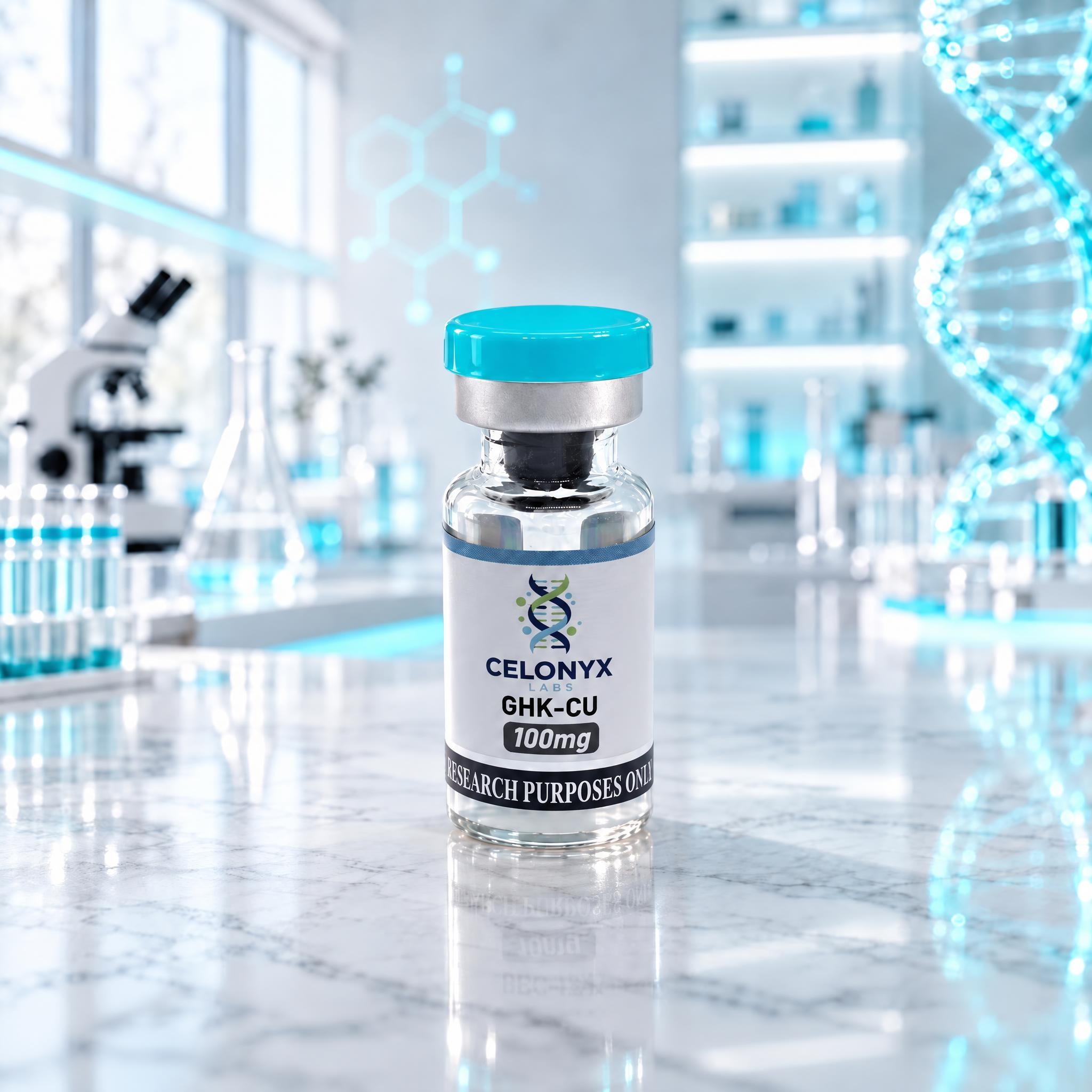
GHK-Cu is a naturally occurring copper-binding tripeptide studied in laboratory research involving cellular signaling pathways. The 100mg format has the lowest calculated unit cost among the selected peptide families and a lower unit cost than the listed GHK-Cu 50mg format.
Best for: Laboratories whose approved copper-binding peptide protocols justify the larger labeled quantity.
GHK-Cu 100mg pros:
GHK-Cu 100mg cons:
Choose between the 50mg and 100mg formats after estimating your protocol's material requirement. Buying more material than you can use under validated conditions defeats the purpose of normalization.
Verdict: Buy GHK-Cu 100mg when your protocol requires GHK-Cu and supports the larger format; otherwise, hold.
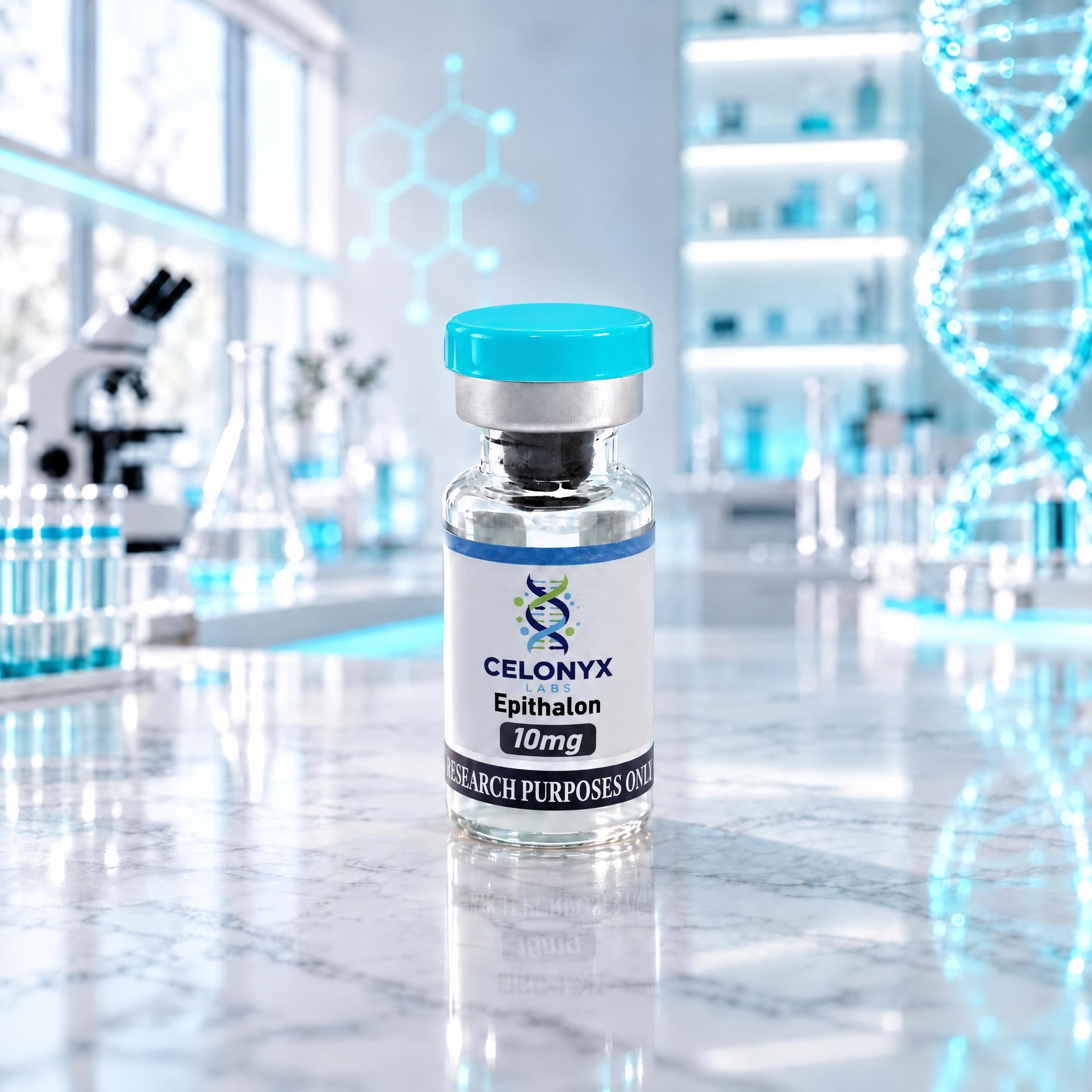
Epithalon, also referred to as Epitalon, is a synthetic tetrapeptide studied in laboratory investigations involving cellular processes. Epithalon 10mg places second among the selected compound families on listed cost per labeled milligram.
Best for: Researchers whose cellular study design specifically calls for Epithalon.
Epithalon 10mg pros:
Epithalon 10mg cons:
Treat the alternate spelling as a search aid, not an identity check. Your procurement record should connect the ordered material to the sequence and specifications required by your method.
Verdict: Buy Epithalon 10mg for an Epithalon-specific protocol; skip it as a price-driven substitute for another peptide.
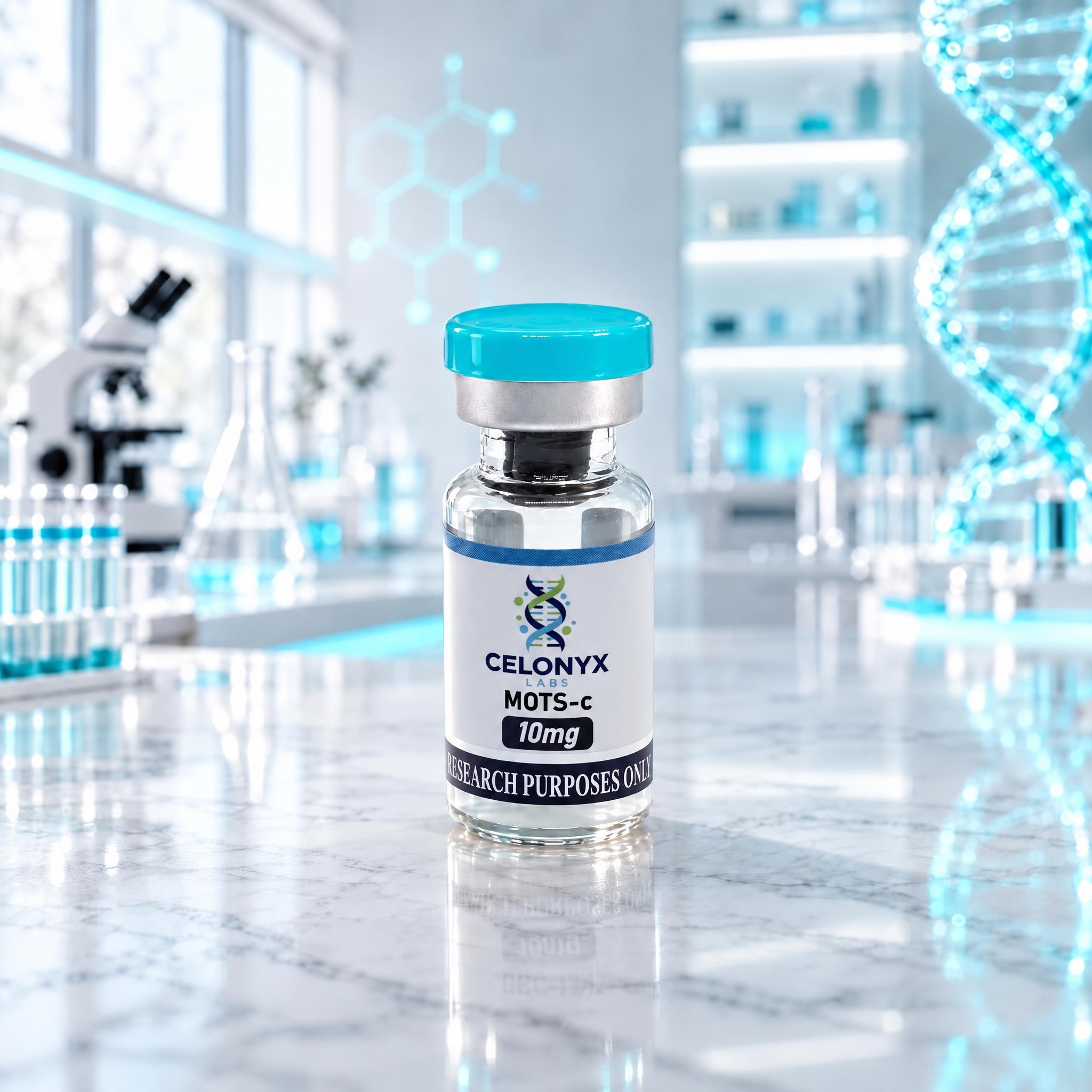
MOTS-c is a mitochondrial-derived peptide investigated in metabolic biology. Its 10mg format ranks third among the shortlisted families, behind GHK-Cu and Epithalon.
Best for: Laboratories investigating questions that specifically require MOTS-c in mitochondrial or metabolic research.
MOTS-c 10mg pros:
MOTS-c 10mg cons:
Do not replace a MOTS-c requirement with another metabolic research compound solely to improve a spreadsheet ranking. Shared research themes do not make compounds interchangeable.
Verdict: Buy MOTS-c 10mg for a defined mitochondrial-derived peptide protocol; hold when the compound requirement remains unresolved.
BPC-157, also called Body Protection Compound 157, is a synthetic peptide studied in laboratory research related to cellular repair. The listed BPC-157 10mg format has a lower calculated cost per milligram than BPC-157 5mg.
Best for: Laboratories with an established BPC-157 protocol deciding between the listed 5mg and 10mg formats.
BPC-157 10mg pros:
BPC-157 10mg cons:
The 10mg format wins the unit-cost comparison, not every purchasing decision. Check whether your planned experiments justify the additional material before choosing it over BPC-157 5mg.
Verdict: Buy BPC-157 10mg when your BPC-157 material requirement supports it; hold if the smaller format better fits the protocol.
GLP-3 is described in the catalog as a synthetic peptide used in laboratory research involving metabolic signaling pathways and peptide receptor biology. The listed formats are GLP-3 5mg, GLP-3 10mg, and GLP-3 20mg; the 20mg format has the lowest unit cost of those three.
Best for: Researchers comparing labeled quantities within the GLP-3 catalog family after confirming molecular identity.
GLP-3 20mg pros:
GLP-3 20mg cons:
Do not infer equivalence to a named drug or another research compound from the GLP-3 label. Obtain the identity information your protocol requires before treating the formats as comparable materials.
Verdict: Hold until identity is confirmed; buy GLP-3 20mg only when the verified compound and quantity match your protocol.
For your 2026 procurement worksheet, follow this sequence. Keep acquisition cost separate from experimental performance so each conclusion remains traceable.
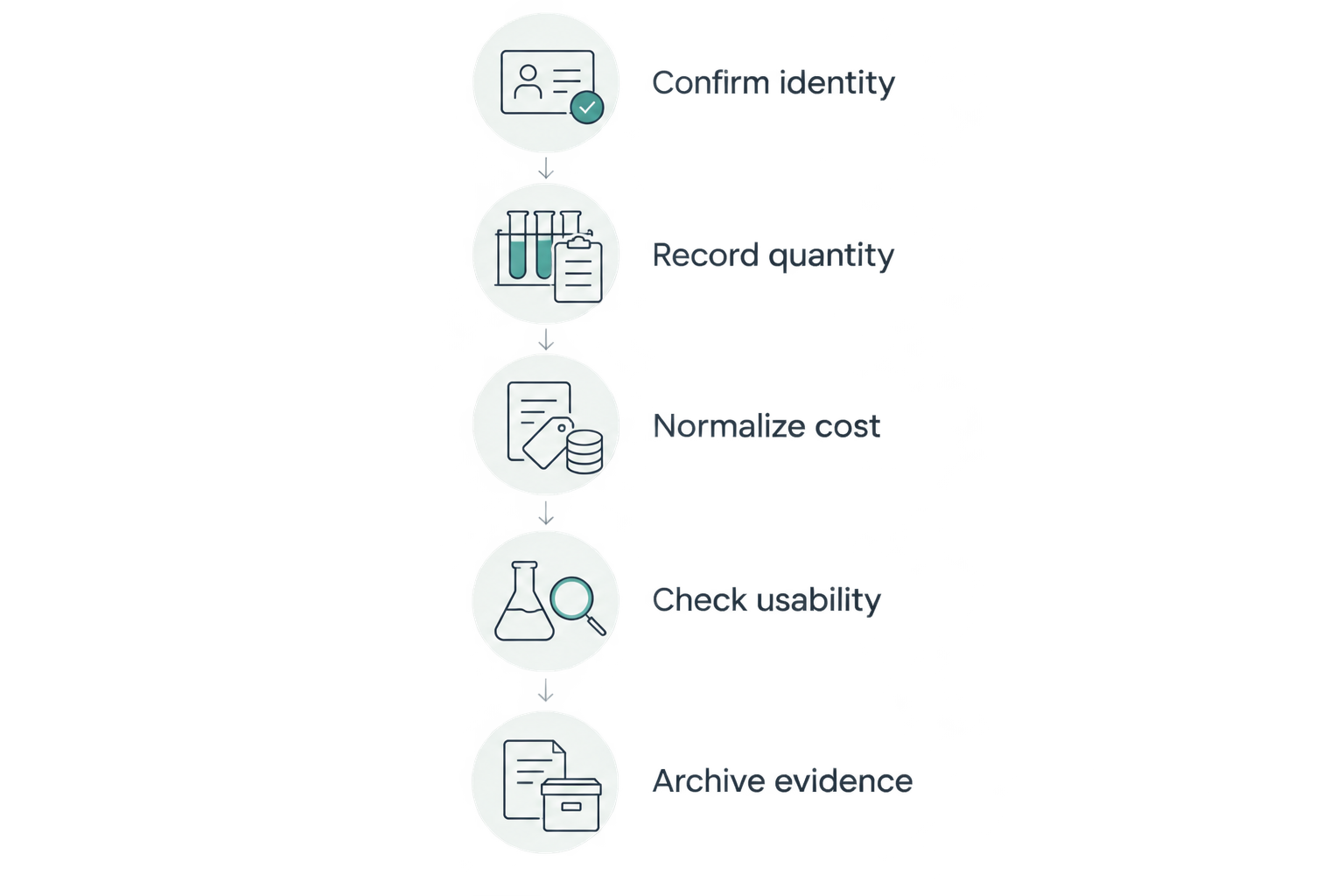
A 5mg vial and a 10mg vial contain different labeled masses. Adding solvent changes concentration, not the labeled peptide mass used in the purchasing calculation. Calculate preparation requirements separately under your laboratory's approved method.
Do not automatically multiply labeled mass by the reported purity percentage to calculate usable peptide content. Chromatographic purity and peptide content are different measurements; use the analytical information required by your method. The guide to connecting peptide purity reports to your QMS supports the documentation side of that assessment.
These catalog entries correspond to the first four ranked families. Product cards identify the listed materials; the ranking does not certify fitness for your specific assay.
This 2026 ranking divides each supplied listing amount by its labeled mass, selects the lowest-unit-cost format within each shortlisted family, and orders those representatives from lowest to highest. It is an arithmetic catalog comparison, not a laboratory performance test.
NAD+ is excluded because it is a coenzyme, not a peptide. Bacteriostatic Water 10mL is excluded because it is a laboratory solution measured by volume, not a peptide quantity suitable for this ranking.
Choose your protocol's required compound first, then select its appropriate vial format. GHK-Cu 100mg is the default only for the narrow question of lowest listed unit cost among these five families.
Celonyx Labs research peptides are best suited to laboratory buyers seeking 99%-pure, third-party-tested materials and prepared to verify batch suitability. That sourcing position does not replace your laboratory's acceptance criteria.
Which research peptide has the lowest cost per milligram in this comparison?
GHK-Cu 100mg has the lowest calculated cost per labeled milligram among the five shortlisted compound families. This is a comparison of the supplied catalog listings, not the entire research peptide market.
How do I calculate research peptide cost per milligram?
Divide the current vial amount by its labeled peptide mass in milligrams. Confirm compound identity and compare equivalent specifications before using the result to select a purchase.
Is a larger research peptide vial always the better purchase?
No. A larger vial is the better purchase only when its quantity and handling requirements fit your protocol; a lower unit cost alone is insufficient.
Does 99% purity mean the full vial mass is usable peptide?
No. A purity result does not automatically establish peptide content, identity, biological activity, or suitability for your experiment. Review the analytical method and batch documentation.
Should NAD+ be included in a research peptide ranking?
No. NAD+ is a biological coenzyme rather than a peptide, so it belongs in a separate reagent comparison.
Is GLP-3 the same as a specific named research drug?
The GLP-3 catalog name alone does not establish that equivalence. Confirm molecular identity and relevant specifications before selecting it for a protocol.
Can these research peptides be used in people or animals?
These recommendations are for laboratory research use only, not human or veterinary administration. They do not provide treatment advice, administration instructions, or clinical safety conclusions.
Mass-normalized purchasing and molecule-normalized experiments answer different questions. Equal milligram quantities of different peptides do not represent equal numbers of molecules because molecular weights differ.
For your final 2026 purchase check, keep the acquisition worksheet separate from the experimental concentration calculation. Select the right molecule, verify the evidence, and only then optimize the vial format.
Compare research peptides purity test scores by batch, method, and identity testing. Choose research-use materials

Choose the fastest shipping research peptide supplier using dispatch evidence, delivery records, and quality checks—not

Compare research peptide cost per milligram across five compound families. Find the lowest unit-cost option,
FOR RESEARCH USE ONLY. Products sold by Celonyx Labs are intended exclusively for laboratory and scientific research. They are not intended for human or veterinary use, consumption, diagnosis, treatment, cure, or prevention of any disease. By purchasing from this site, you acknowledge that you understand the intended research purpose of these materials and agree to comply with all applicable laws and regulations.