
Best BPC-157 vials ranked by purity grade 2026
Compare BPC-157 purity grade claims across 5 mg and 10 mg research vials. Prioritize lot-matched

Best default for a moderate material requirement: GLP-3 10mg. Best for limited-material pilot work: GLP-3 5mg. Best for larger planned requirements: GLP-3 20mg. This 2026 guide compares vial sizes for researchers searching for a glp 3 rt peptide; confirm molecular identity before treating any catalog label as equivalent to your protocol’s compound.
A vial-size comparison is not a molecular-identity comparison. Before choosing research material, match the catalog entry to the compound specified in your experimental protocol. A familiar abbreviation does not establish sequence, receptor activity, or equivalence to a named molecule.
Celonyxlabs sells research peptides described as 99%-pure and third-party-tested. Those are supplier-level quality statements; qualify the particular lot against your laboratory’s acceptance criteria before use.
For 2026 procurement, start with identity and documentation, then choose the amount your approved work requires. Reversing that order leaves the most important scientific question unanswered.
Use these criteria before comparing vial sizes. They separate product suitability from the amount printed on the label.
Reject a size-based recommendation whenever identity or documentation fails your acceptance criteria. More material cannot correct the wrong compound, and a smaller vial cannot compensate for inadequate qualification.
This ranking compares three labeled amounts from one supplier, not three independently established compounds. The order reflects distinct material-planning use cases, not measured differences in purity, performance, or biological activity.
| Rank and option | Best for | Standout feature | Key limitation |
|---|---|---|---|
| 1. GLP-3 10mg | Moderate planned material requirements | Middle labeled amount among these options | Not automatically sufficient for a larger study |
| 2. GLP-3 5mg | Limited-material pilot work | Smallest labeled amount in this comparison | Leaves less total material for repeats |
| 3. GLP-3 20mg | Larger planned material requirements | Largest labeled amount in this comparison | Requires a justified plan for the larger quantity |
The Celonyxlabs GLP-3 research peptide listings describe synthetic peptides for laboratory investigation involving metabolic signaling pathways and peptide receptor research. Select among them only after confirming that the documented molecular identity matches the research question.
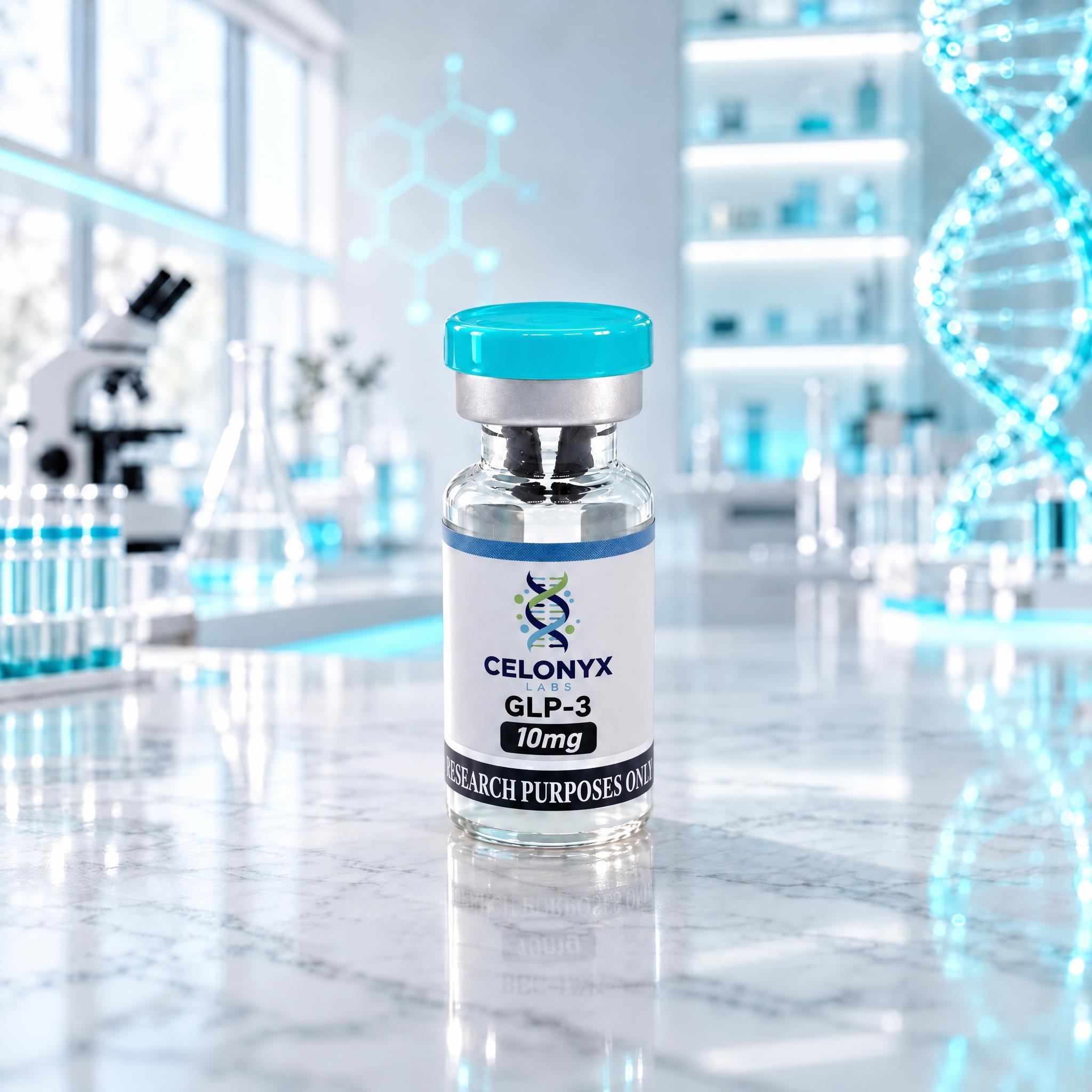
GLP-3 10mg is a catalog option labeled with 10 mg of material. It sits between the 5 mg and 20 mg options, making it the default starting point for comparing a moderate requirement against the available sizes.
Best for: Researchers whose documented material estimate fits the 10 mg format without requiring the larger option.
For a 2026 study plan, calculate the requirement before choosing this format. Include the material needed for your approved controls, preparation checks, and planned repeats rather than assuming the middle size will fit every experiment.
Verdict: Buy GLP-3 10mg when identity checks pass and the documented requirement fits this format; otherwise, hold.
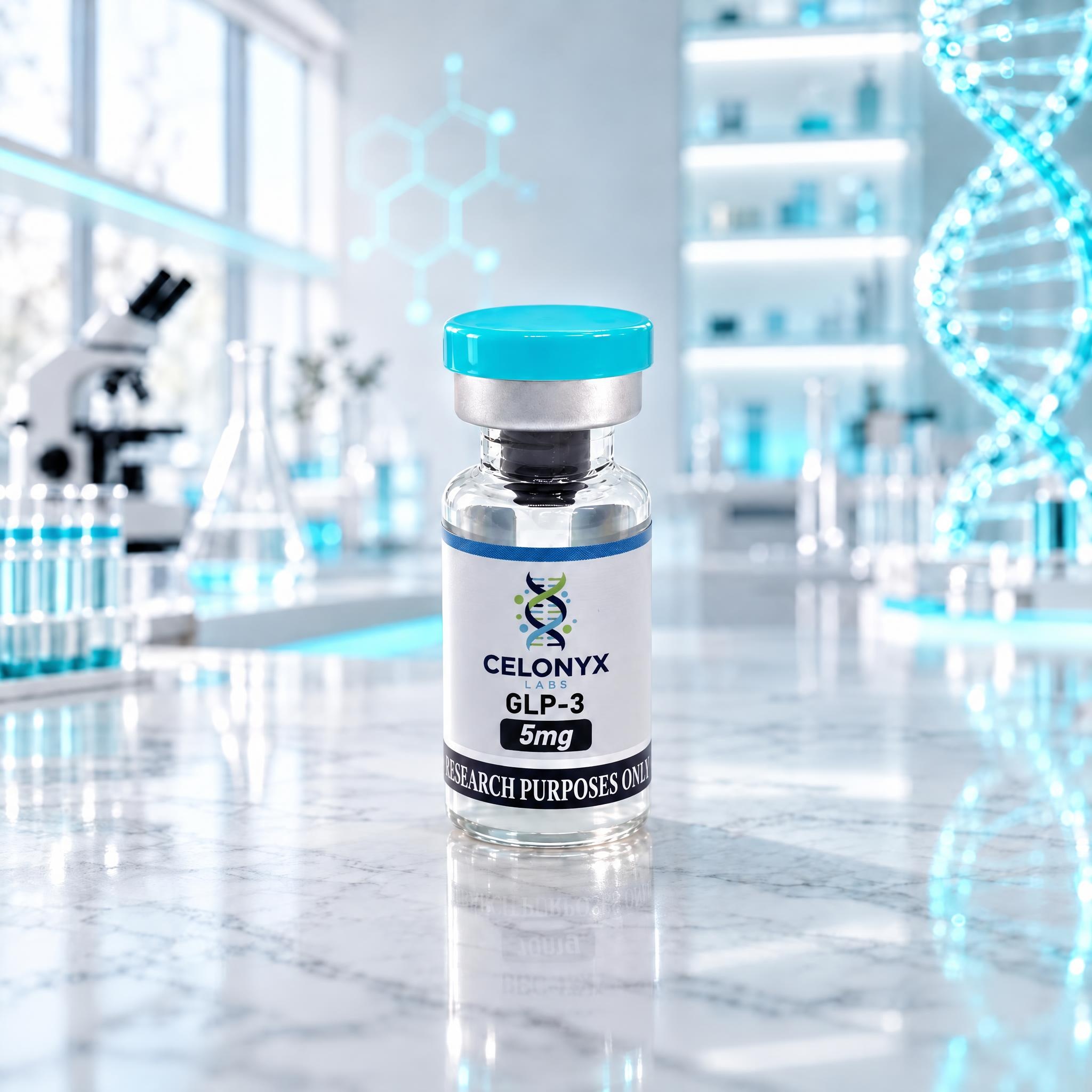
GLP-3 5mg is the smallest labeled amount in this comparison. It is the logical first size to assess when an approved feasibility study or preliminary analytical evaluation requires only a small quantity.
Best for: Laboratories with a defined pilot requirement that fits within the 5 mg format.
Do not treat pilot work as a lower-documentation category. A preliminary experiment still needs a traceable compound, a defined preparation method, and acceptance criteria appropriate to the question being investigated.
Verdict: Buy GLP-3 5mg for a qualified, limited-material pilot; skip this size when the written requirement exceeds it.
GLP-3 20mg is the largest labeled amount among the three options. Assess it when your material calculation supports a larger quantity, rather than selecting it because a larger number appears preferable.
Best for: Laboratories with a documented requirement that justifies the 20 mg format and an appropriate handling plan.
A larger format also requires a deliberate preparation and storage decision. Follow compound-specific documentation and your laboratory’s validated procedures; do not infer stability after preparation from the original labeled mass.
Verdict: Buy GLP-3 20mg when the qualified material requirement justifies it; hold when the larger quantity has no defined use.
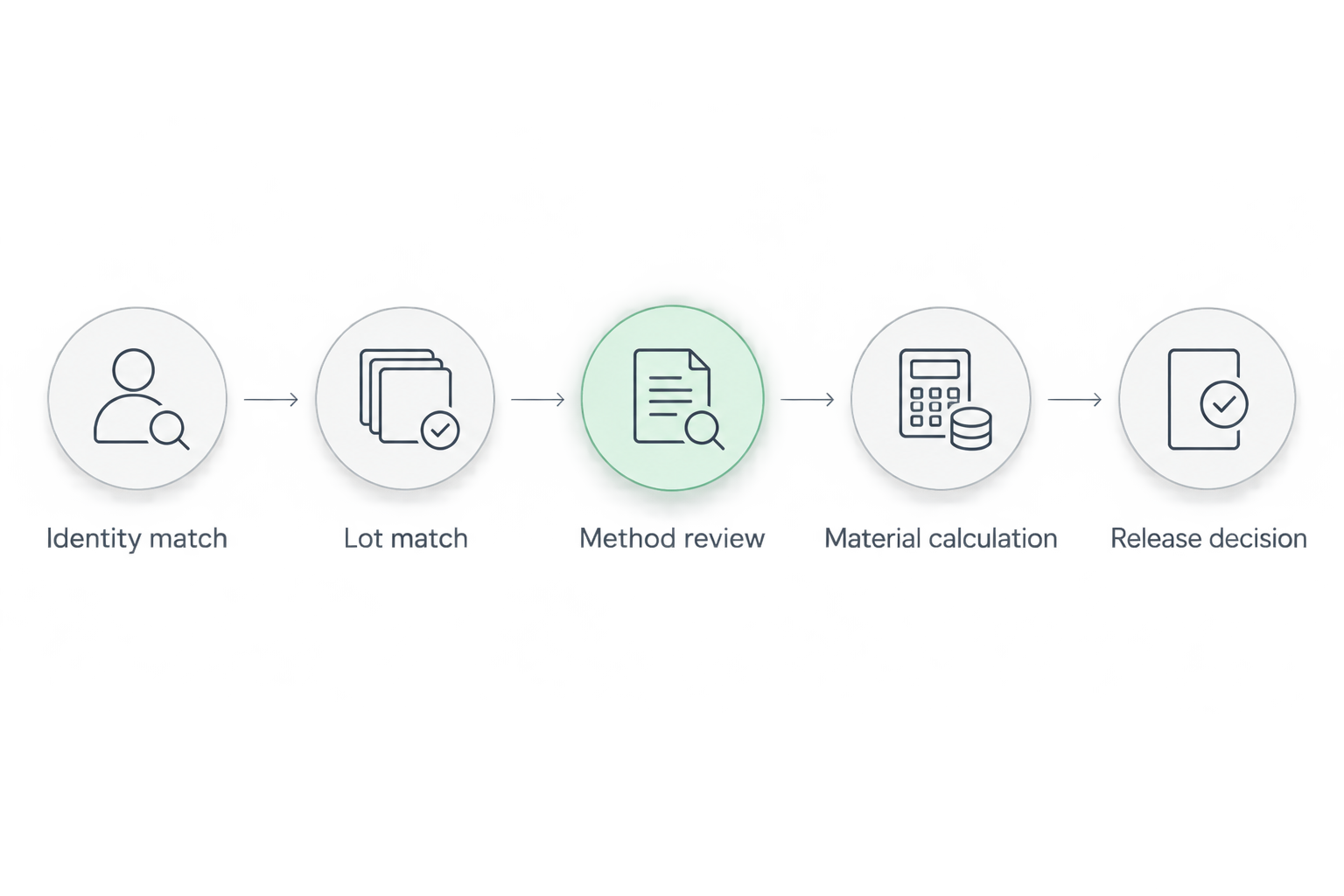
For a 2026 procurement decision, use a documented acceptance sequence. Complete each step before releasing material for experimental use.
A certificate of analysis should be evaluated as evidence, not accepted as a substitute for review. Check the actual results, methods, identifiers, and relevance to the intended application.
Purity, identity, content, and biological activity answer different questions. Chromatographic purity describes separation results under a specified method; it does not, by itself, establish the correct sequence, the amount of peptide present, or the expected assay response.
The distinction matters when evaluating a 99% purity statement. Review the guide to whether 99% purity establishes research safety alongside your laboratory’s acceptance procedure, not instead of it.
Record the verified compound identity in your laboratory records, not just glp 3 rt peptide. Search phrases help locate information; analytical identifiers support traceability.
If your protocol specifies retatrutide, require documentation establishing that identity. Do not infer equivalence from GLP-3 or RT wording alone, and do not transfer findings from a named molecule to a catalog entry without confirming the match.
Choose a format from the requirement upward, not from the largest listing downward. Start with the approved experiment and account for the material needed to execute it.
Keep labeled mass separate from solution concentration. A 20 mg label describes an amount, not a concentration, and it does not specify a preparation volume or an experimental exposure.
For 2026 inventory planning, document the calculation before procurement approval. Record any change in compound form, preparation method, or study scope that changes the required amount.
These cards show the three formats discussed above. Use the product information to begin qualification; do not treat the cards as a substitute for lot-specific analytical review.
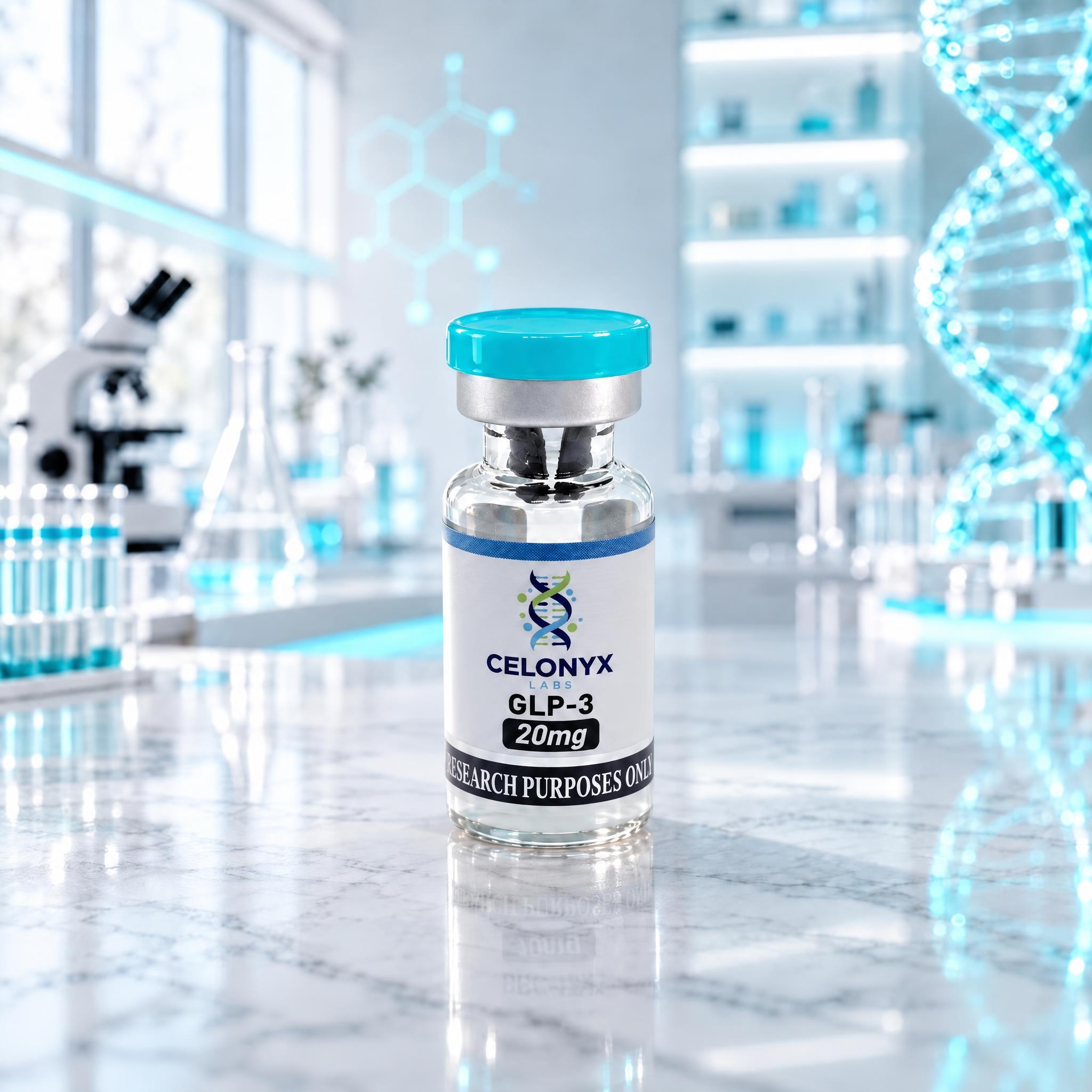
The ranking uses labeled amount and a defined material-planning use case. GLP-3 10mg takes the default slot because it is the middle format; GLP-3 5mg serves limited requirements, while GLP-3 20mg serves larger justified requirements.
This is not a ranking of measured potency, purity, stability, or receptor activity. Apply the same identity, traceability, analytical-fit, handling, and research-use criteria to every format.
Celonyxlabs GLP-3 research peptides are best for laboratory buyers comparing labeled material amounts after confirming compound identity. Start with GLP-3 10mg as the middle-size candidate, then move down or up according to the documented requirement.
Choose GLP-3 5mg when the approved pilot fits that amount. Choose GLP-3 20mg when the larger requirement is established, and hold every option when qualification remains unresolved.
What’s the best glp 3 rt peptide option for laboratory research?
GLP-3 10mg is the default middle-size candidate in this comparison when its verified identity and material amount match your protocol. Choose GLP-3 5mg for smaller requirements or GLP-3 20mg for larger justified requirements.
Is GLP-3 the same compound as retatrutide?
The GLP-3 label alone does not establish that a product is retatrutide. Confirm the documented molecular identity, sequence, and analytical evidence against the compound specified in your protocol.
Is GLP-3 20mg more potent than GLP-3 5mg?
A larger labeled mass does not establish greater potency. Compare compound identity, qualified concentration, and assay-specific activity rather than treating total material amount as a potency measurement.
Which GLP-3 size is best for a pilot study?
GLP-3 5mg is the smallest format in this comparison and suits a pilot whose documented requirement fits that amount. Include required controls, preparation checks, and planned repeats before selecting the format.
Does 99% purity mean a research peptide is ready for any assay?
No, a purity percentage does not establish suitability for every assay. Review molecular identity, analytical methods, content, and application-specific quality requirements before releasing the material for use.
What documents should a laboratory review before using GLP-3 research material?
Review lot-linked analytical documentation, the certificate of analysis, identity evidence, and applicable handling instructions. Match the records to the physical vial and your laboratory’s acceptance criteria.
Can these GLP-3 research products be used in people or animals?
These recommendations are for laboratory research use only, not human or veterinary administration. Follow institutional approvals, safety procedures, and the documented restrictions for the material.
Put the molecular identity and lot identifier on the same acceptance record as the material calculation. That makes the scientific qualification and size decision traceable together, rather than leaving an approved quantity attached to an unresolved compound label.
For your 2026 procurement file, retain that record with the analytical evidence and release decision. A familiar product name is not a substitute for a qualified research material.
Compare BPC-157 purity grade claims across 5 mg and 10 mg research vials. Prioritize lot-matched

Compare glp 3 rt peptide formats for research. Start with 10mg for moderate requirements, then

Compare ipamorelin cjc 1295 no dac research formats. Separate reagents win for concentration control; verify
FOR RESEARCH USE ONLY. Products sold by Celonyx Labs are intended exclusively for laboratory and scientific research. They are not intended for human or veterinary use, consumption, diagnosis, treatment, cure, or prevention of any disease. By purchasing from this site, you acknowledge that you understand the intended research purpose of these materials and agree to comply with all applicable laws and regulations.