

Order Insulin Syringes Online Safely in 2026
There's no nationwide rule that insulin syringes are prescription-free: your order depends on the destination

Regenerative medicine lab peptide research is the study of peptide-mediated biological processes with the aim of understanding tissue repair and regeneration. Selecting research peptides for regenerative medicine requires matching each compound to a defined experimental question, separating analytical quality from biological activity, and keeping laboratory findings distinct from clinical claims.
Regenerative medicine experiments must distinguish a change in a laboratory readout from evidence of functional tissue repair. Cell migration, viability, extracellular matrix production, and signaling activity answer different questions. A positive result in one assay does not establish regeneration across models.
Your 2026 sourcing plan should therefore start with the evidence your experiment needs, not a compound's popularity. A migration assay needs controls that distinguish movement from proliferation; a matrix-focused experiment needs measurements that distinguish deposition from changes in cell number.
Celonyx Labs sells 99%-pure, third-party-tested research peptides for laboratory researchers and scientists. Those quality signals belong in supplier screening, but your laboratory still needs to assess the material against its protocol.
Research-use-only material is not a therapeutic product. This guide addresses laboratory sourcing, characterization, and experimental planning—not human administration, treatment, or clinical effectiveness.
Begin with a protocol outline in your existing laboratory notebook. Name the model, the biological process, the primary endpoint, and the result that would contradict your hypothesis. This manual step prevents a broad label such as tissue repair from becoming an undefined experimental objective.
For a 2026 study, distinguish exploratory screening from confirmatory work before purchasing material. Exploratory experiments identify signals worth investigating; confirmatory experiments need predefined analysis and acceptance criteria.
Specify whether the endpoint measures mechanism, phenotype, or function. A signaling change can support a mechanistic hypothesis without demonstrating improved tissue structure. Write that distinction into the study objective so the final interpretation stays within the experiment's scope.
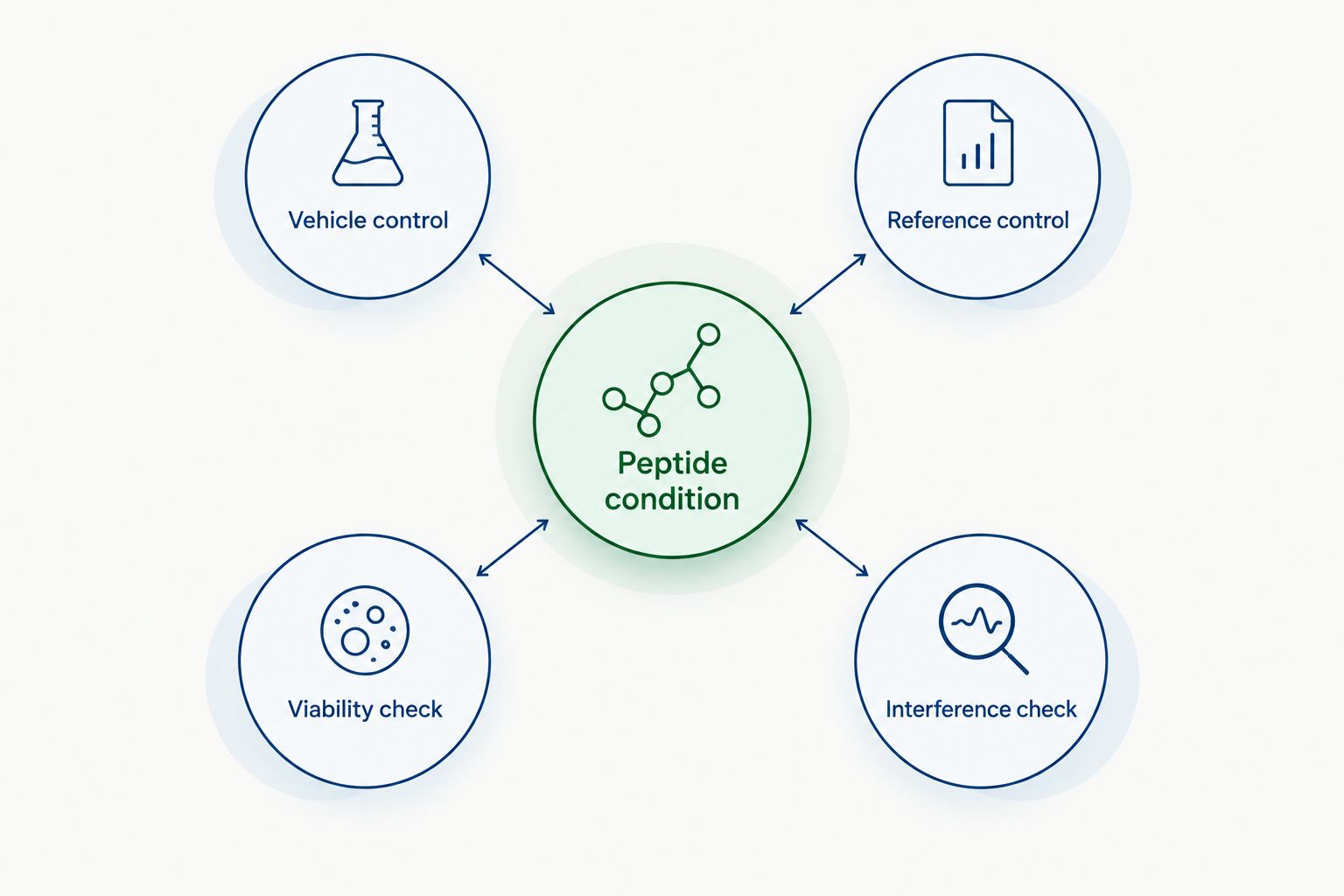
Map the experimental conditions manually before designing the plate layout. Include a vehicle control, a peptide condition, an appropriate reference control, and a viability check. Each condition should resolve a specific alternative explanation rather than simply add another comparison.
A scratch assay illustrates the problem: gap closure can reflect migration, proliferation, or both. If your question concerns migration, the experiment must address proliferation as a competing explanation. Likewise, reduced signal in a biochemical assay does not automatically mean pathway inhibition; interference with detection is another explanation to examine.
Keep handling consistent across conditions. Different solvent exposure or preparation timing can introduce differences unrelated to the peptide itself.
Start with the literature and your laboratory's existing reagent records. Compare the exact molecular identity used in relevant studies with the material you intend to order. A familiar abbreviation is not a substitute for sequence, modification, and formulation information.
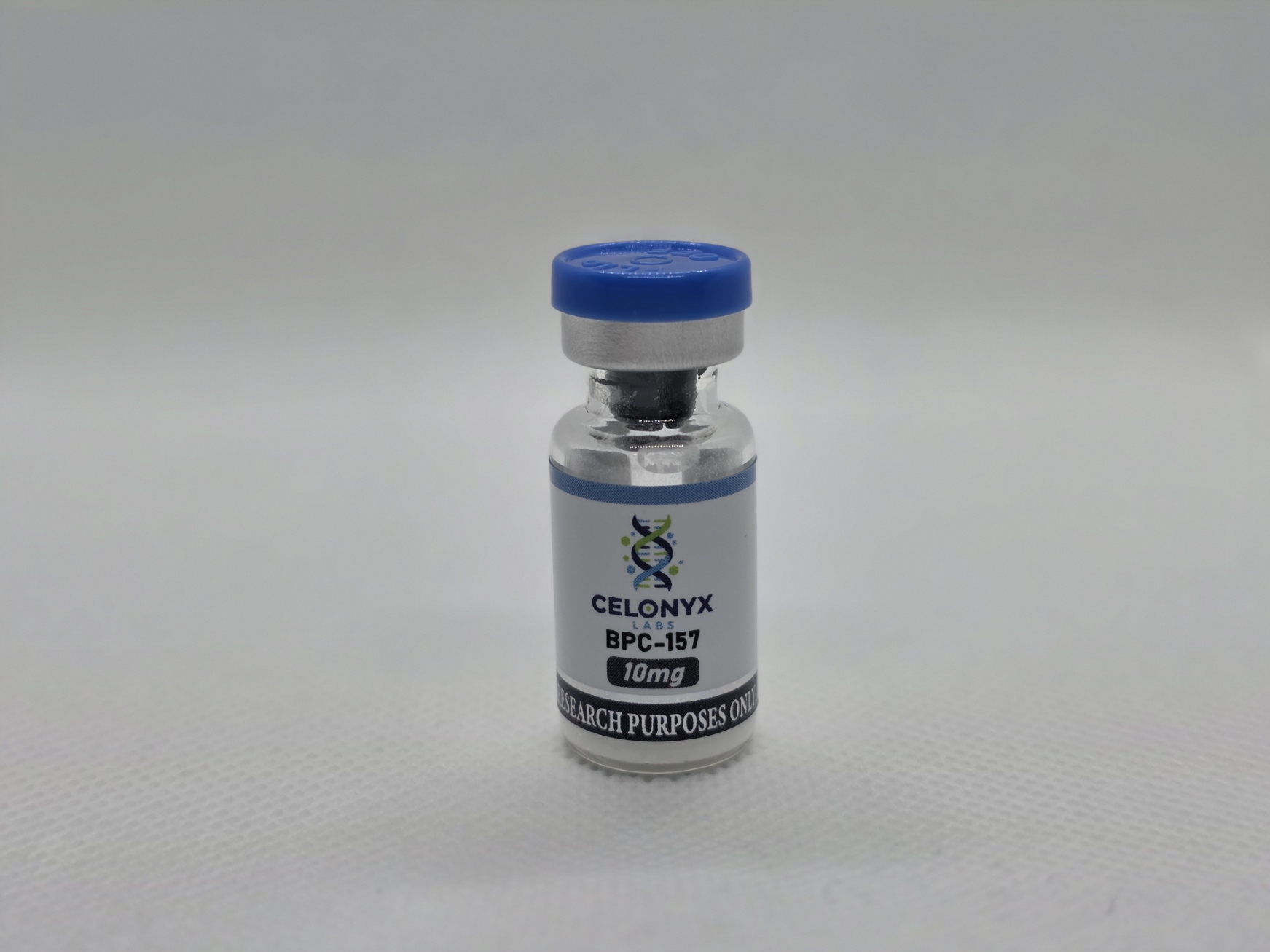
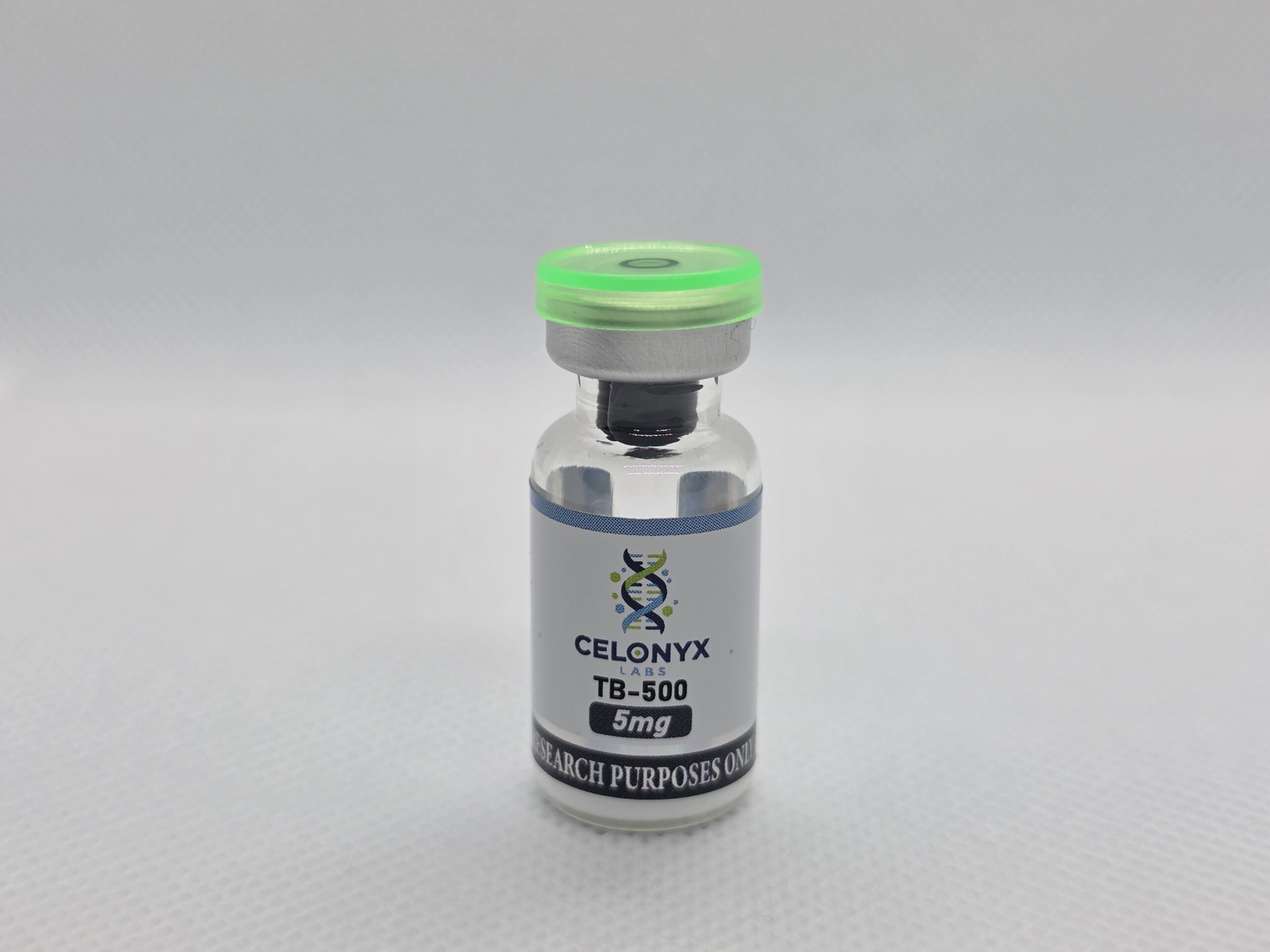
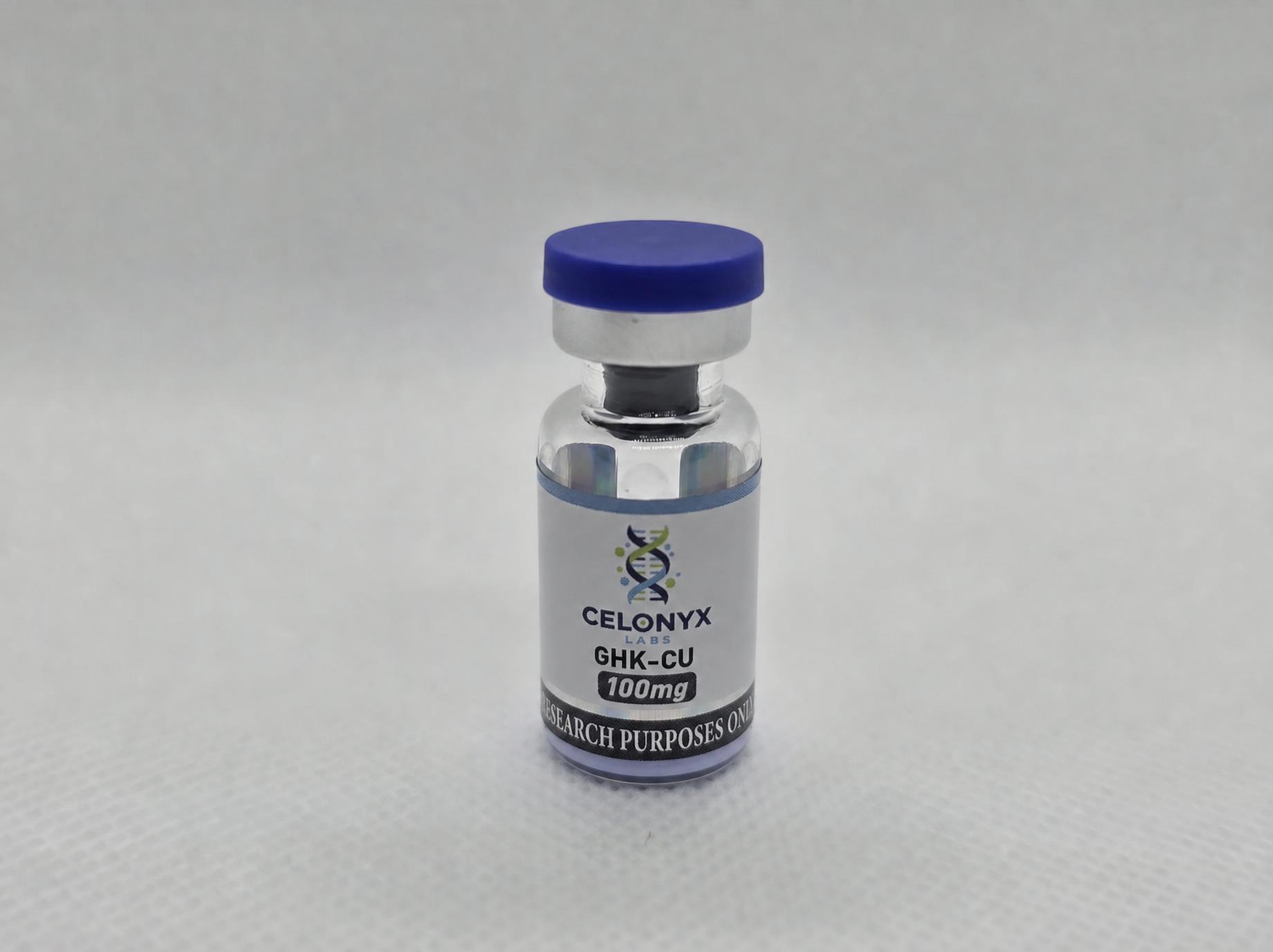
Celonyx Labs research peptides include BPC-157, TB-500, and GHK-Cu. The supplied product descriptions associate BPC-157 with cellular repair research, TB-500 with cellular migration and actin regulation, and GHK-Cu with cellular signaling pathways. These descriptions identify research contexts; they do not establish comparative performance.
The listed BPC-157 10mg, TB-500 5mg, and GHK-Cu 100mg presentations describe different package quantities, not equivalent experimental exposures. For your 2026 procurement record, keep package mass separate from the concentration used in an assay.
Create a basic acceptance worksheet using a spreadsheet or notebook template. Record the supplier, product identifier, lot identifier, analytical documents, review date, and release decision. Store the original files rather than relying on a product-page summary.
Purity and identity are different measurements. Chromatographic purity describes the composition observed under a particular analytical method; mass spectrometry can support identity assessment. Neither measurement alone establishes sterility, endotoxin status, or activity in your biological system.
Use the peptide purity testing guide for contract research organizations to structure the questions your laboratory asks about analytical evidence. Request clarification whenever the report cannot be confidently connected to the received material.
For traceability, require a clear connection between the vial and its supporting records before releasing it into an experiment. An unexplained document mismatch is a reason to pause, not a detail to fix after data collection.
Use your laboratory's approved preparation procedure first, then check it against the compound-specific documentation. Do not assume that one solvent, storage condition, or mixing method applies to every peptide. Solubility, adsorption, aggregation, and assay compatibility require separate consideration.
Define how you will assess the prepared material before introducing it into the experiment. Visual inspection can reveal particles or discoloration, but appearance does not establish molecular integrity. Record any analytical checks required by the study rather than treating a clear solution as proof of suitability.
Preservatives also matter. Bacteriostatic water is not automatically appropriate for a cell-based assay, and a solvent acceptable for one application can interfere with another. Choose the preparation system for the experiment, not merely because it dissolves the material.
Build a short decision matrix before requesting material. Compare the research context, supporting documentation, preparation requirements, and limitations relevant to your endpoint. This makes the selection defensible without pretending that a single compound is best for every regenerative medicine model.
Celonyx Labs is best suited to laboratory researchers seeking research-use-only peptides, not therapeutic products. Its stated purity and third-party-testing position supports supplier screening; experimental suitability still depends on the specific material, documentation, and assay.
The options below are a research-context comparison, not an efficacy ranking. None of the supplied descriptions establishes that one compound produces stronger regeneration than another.
| Option | Best for | Relevant characteristic | Key limitation |
|---|---|---|---|
| BPC-157 10mg | Considering candidates for cellular repair mechanism studies | Described as a synthetic peptide studied in cellular repair research | A research association does not establish activity in your model |
| TB-500 5mg | Considering candidates for migration and actin-related studies | Described in relation to cellular migration, tissue repair mechanisms, and actin regulation | Confirm exact identity before applying literature from related compounds |
| GHK-Cu 100mg | Considering copper-binding peptide signaling questions | Described as a naturally occurring copper-binding tripeptide | The experimental design must address copper-related contributions |
The cards identify the listed materials; they do not replace molecular identity review or protocol qualification. Select a presentation only after estimating your study's material requirements and documenting the assumptions behind that estimate.
Create a material record before the first experiment, not while preparing a manuscript. A spreadsheet is sufficient if every sample can be traced to the source lot, preparation event, storage history, and experimental run. Existing laboratory software can organize these records, but it cannot reconstruct information that was never recorded.
For 2026 studies, define how the laboratory will handle a lot change before the original lot is exhausted. A new lot introduces a material change that needs review; combining results without checking comparability weakens interpretation.
Record deviations even when the experiment appears successful. An unexpected thaw, preparation change, or missing document belongs beside the data because another researcher needs that context to interpret or repeat the work.
A narrower gap in a cell assay is an observation, not proof of regenerated tissue. Report the measured endpoint first, then explain which additional evidence would be needed for a broader claim. Keep migration, proliferation, viability, and tissue function distinct in both analysis and reporting.
A product name can resemble terminology in a paper without identifying the same test material. Check the sequence, modifications, and analytical evidence before transferring methods or conclusions. This is particularly important when interpreting literature about related peptides or fragments.
A 99% purity statement does not answer every question a regenerative medicine experiment raises. Identity, microbiological requirements, solvent compatibility, and assay performance remain separate checks. Define the evidence required for your model instead of allowing one quality figure to stand in for the entire assessment.
Combining candidates immediately makes it harder to attribute an observed response. Establish the purpose of each condition and include the individual components when testing a combination. Do not describe a combined response as synergy unless the experimental design and analysis support that conclusion.
Terms such as healing, recovery, and regeneration can imply outcomes beyond the experiment. Describe the model, measured endpoint, and limitations explicitly. Research-use-only peptides remain laboratory materials; a preclinical result does not establish human safety or effectiveness.
What’s the best way to choose research peptides for regenerative medicine?
Choose research peptides by the biological question, experimental model, and required evidence. Compare exact molecular identity, analytical documentation, and assay compatibility before selecting a compound.
Is BPC-157 better than TB-500 for tissue repair research?
Neither is established as universally better by the supplied product information. BPC-157 is described in relation to cellular repair research, while TB-500 is described in relation to migration, tissue repair mechanisms, and actin regulation; your endpoint determines the relevant comparison.
Does 99% purity mean a peptide is sterile?
No, 99% purity does not establish sterility. Purity, sterility, endotoxin status, and biological activity require different evidence.
Can I use GHK-Cu in a regenerative medicine cell study?
GHK-Cu is a candidate to evaluate when a study specifically concerns copper-binding peptide signaling. Confirm molecular identity, preparation compatibility, and appropriate controls before interpreting its effects in your model.
Is bacteriostatic water suitable for every peptide assay?
No, bacteriostatic water is not suitable for every peptide assay. Its preservative and the overall preparation conditions must be compatible with the experimental system.
What documents should a lab request before using a research peptide?
Request lot-linked analytical documentation that supports the intended identity and reported purity. Add microbiological, handling, or other evidence according to the protocol’s requirements, and record any unresolved questions before use.
Can research-use-only peptides be used to treat patients?
Research-use-only peptides are not supplied as therapeutic products and should not be used to treat patients. Laboratory results do not establish clinical safety or effectiveness.
Preserve a material record detailed enough to explain a failed replication. Successful experiments attract attention, but the preparation history behind an unsuccessful repeat often provides the information needed to investigate the difference.
Before your next 2026 study begins, ask a colleague to trace a proposed data file back to the peptide lot, analytical documents, and preparation record. If that chain breaks before the experiment starts, fix the recordkeeping first. A compound choice is only one part of an interpretable result.
There's no nationwide rule that insulin syringes are prescription-free: your order depends on the destination

Buy the highest purity number you can find and you're covered. That's the most popular

Research peptides for toxicology testing need more than purity claims. Learn to verify identity, control
FOR RESEARCH USE ONLY. Products sold by Celonyx Labs are intended exclusively for laboratory and scientific research. They are not intended for human or veterinary use, consumption, diagnosis, treatment, cure, or prevention of any disease. By purchasing from this site, you acknowledge that you understand the intended research purpose of these materials and agree to comply with all applicable laws and regulations.